Concealed cabinet hinges often offer several adjustments, but their screws do not all do the same thing. Some move the door; others hold the hinge or mounting plate in place. The safest small adjustment starts with identifying the hinge model and the direction of the problem, then changing one setting at a time.
Describe the gap before changing it
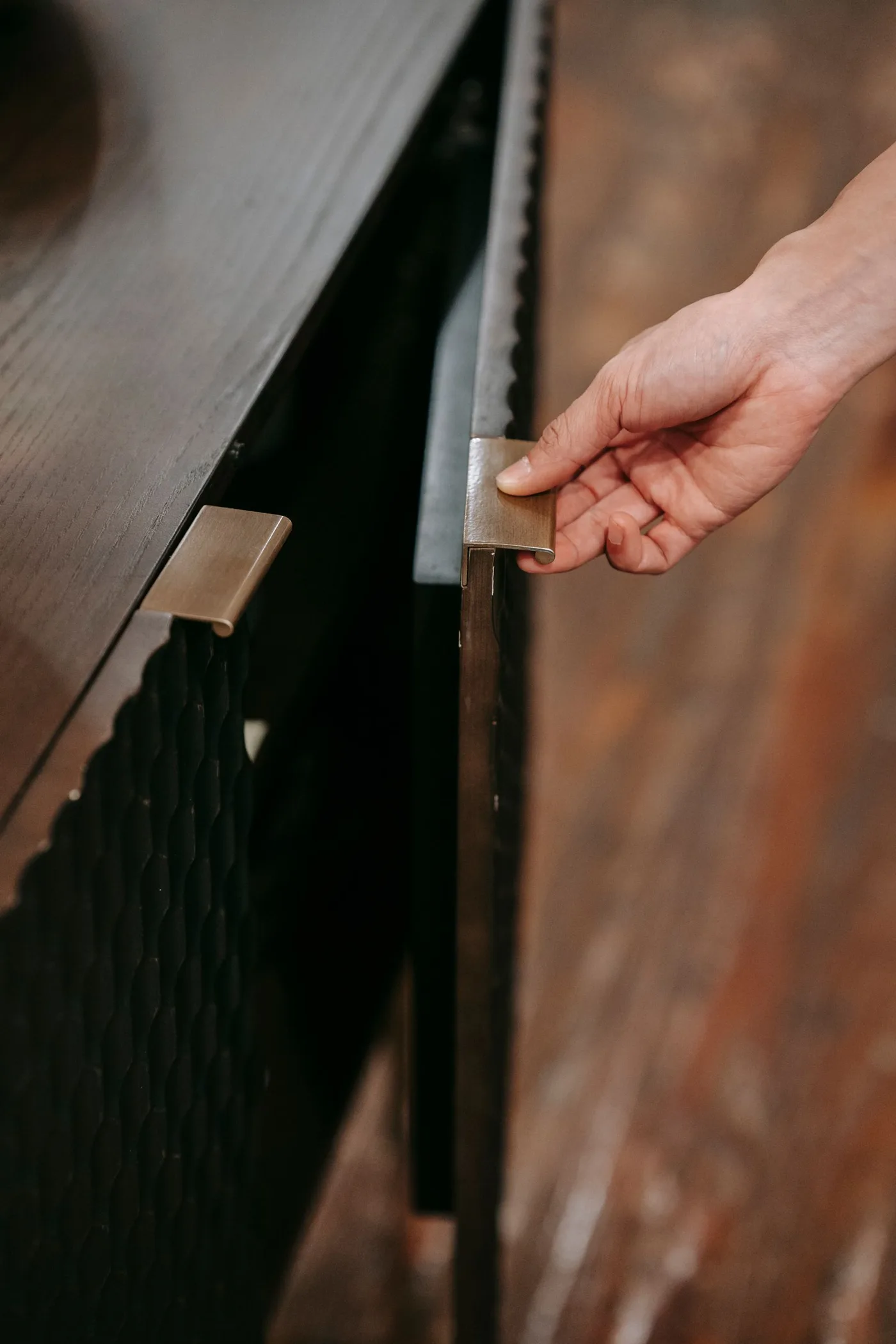
Close the door and look at the space around it. Is the gap wider at the top than the bottom? Does the door sit too far forward? Does it rub only when an adjacent door is closed? Write down the symptom and take a straight-on photograph. These observations help distinguish alignment from a warped door, a loose cabinet or an obstruction inside.
Check for items pressing against the door and for obvious loose mounting hardware. A cabinet that has shifted or a hinge pulling out of damaged material is not a routine adjustment. Support the door and stop using it if the mounting looks insecure. A heavy door falling from a cabinet is a different risk from a slightly uneven reveal.
Find the exact adjustment instructions
Look for a manufacturer mark or part number on the hinge. Obtain the matching diagram rather than relying on the screw positions shown in a video for another product. Blum documentation, for example, distinguishes height, side and depth adjustments, but the mechanism and available range vary between hinge families.
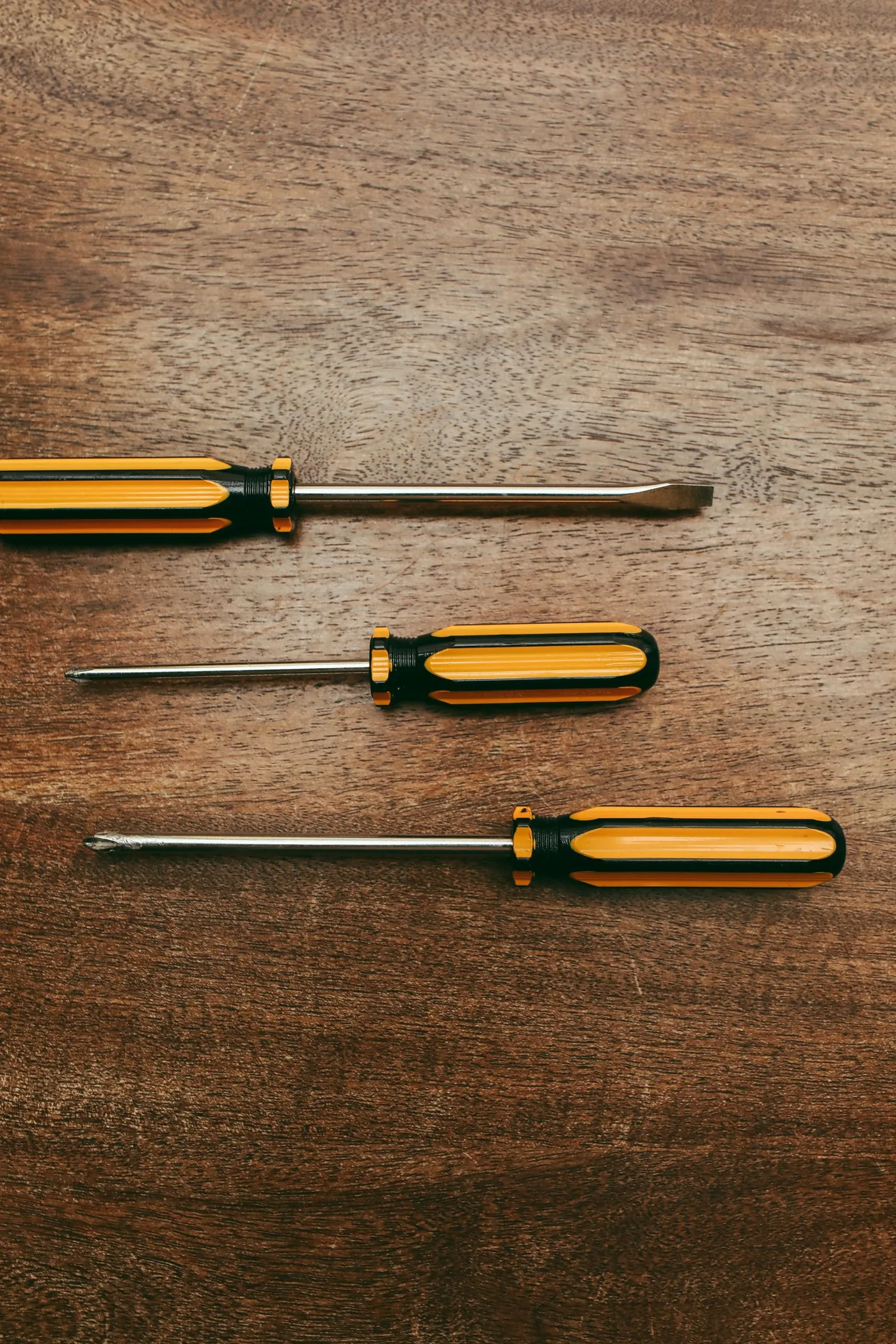
Use a well-fitting hand screwdriver. Make a small change to the identified adjustment screw, close the door gently and observe the result. Keep a note of which way and how far you turned it. If the result is worse, return to the starting position before trying a different setting. This is easier than correcting several undocumented turns at once.
Read the pattern across neighboring doors
Imagine two doors whose upper corners nearly touch while the lower gap is wide. Record that pattern before adjusting either door. The desired correction is different from moving both doors sideways by the same amount. Use the model's diagram to understand the relevant movement, then observe the whole gap after each small change.
Also check the cabinet's contents and floor position before blaming the hinge. A heavy object pressing on the door or a cabinet that has been moved can alter the apparent fit. Do not use hinge adjustment to conceal an insecure cabinet installation. If several doors changed together, that shared pattern is useful evidence for an installer and may point beyond one hinge.
Know the limits of adjustment
Do not loosen a mounting screw merely because an adjustment screw has reached its limit. Some height adjustments require supported movement of the mounting plate; others use a cam. Follow the actual instructions and arrange help to hold a large door when needed. Avoid working beneath an unsupported door or forcing it against an adjacent panel.
When the gaps are satisfactory, operate the door through its normal travel and check that it closes without rubbing. Recheck the neighboring door as well. If alignment cannot be achieved within the designed adjustment range, the hinges, door or cabinet installation may need repair. A photograph of the original and final gaps gives a repairer more information than a list of screws that have been turned.