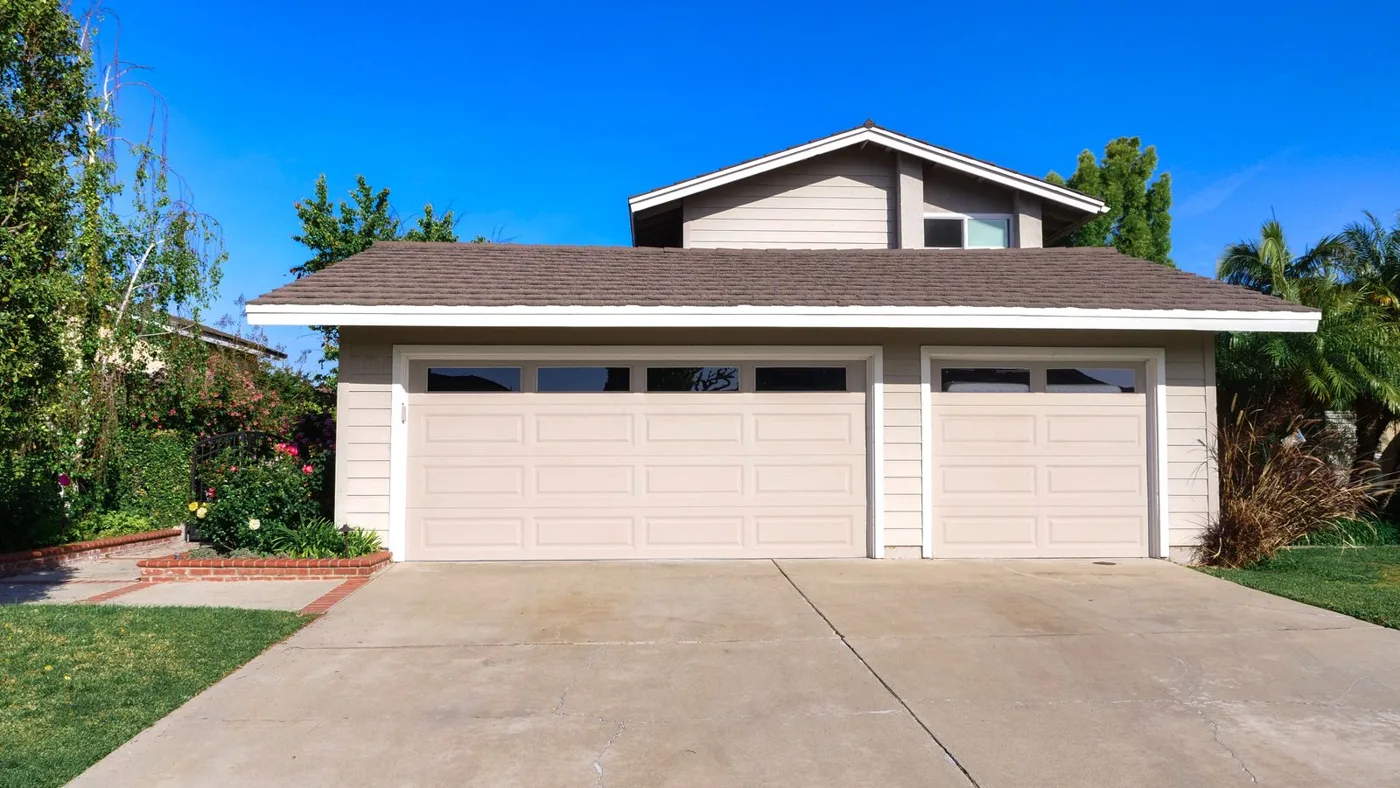
After heavy rain, the urge to inspect everything can lead people into water, beneath damaged branches or near wet electrical equipment. Start with safety information and observations from dry stable locations. A household check is not flood cleanup, roof inspection or proof that a building is safe to enter.
Wait for safe conditions and official guidance
Follow local warnings and any instructions about evacuation or returning home. Do not walk through floodwater to reach a better viewpoint. Ready.gov warns that water can hide contamination, debris and electrical hazards.
Stay away from downed lines, unstable trees and damaged structures. If the building is making unusual noises, visibly shifting or has a gas odor, leave the area and contact the appropriate emergency service from a safe location. Do not switch electrical devices on or off to investigate.
Look without opening hidden spaces
From safe ground, note pooling, overflowing drainage and water paths toward the house. Take photographs that show location and context. Do not climb onto a roof, remove a gutter cover or enter a flooded basement to complete a checklist.
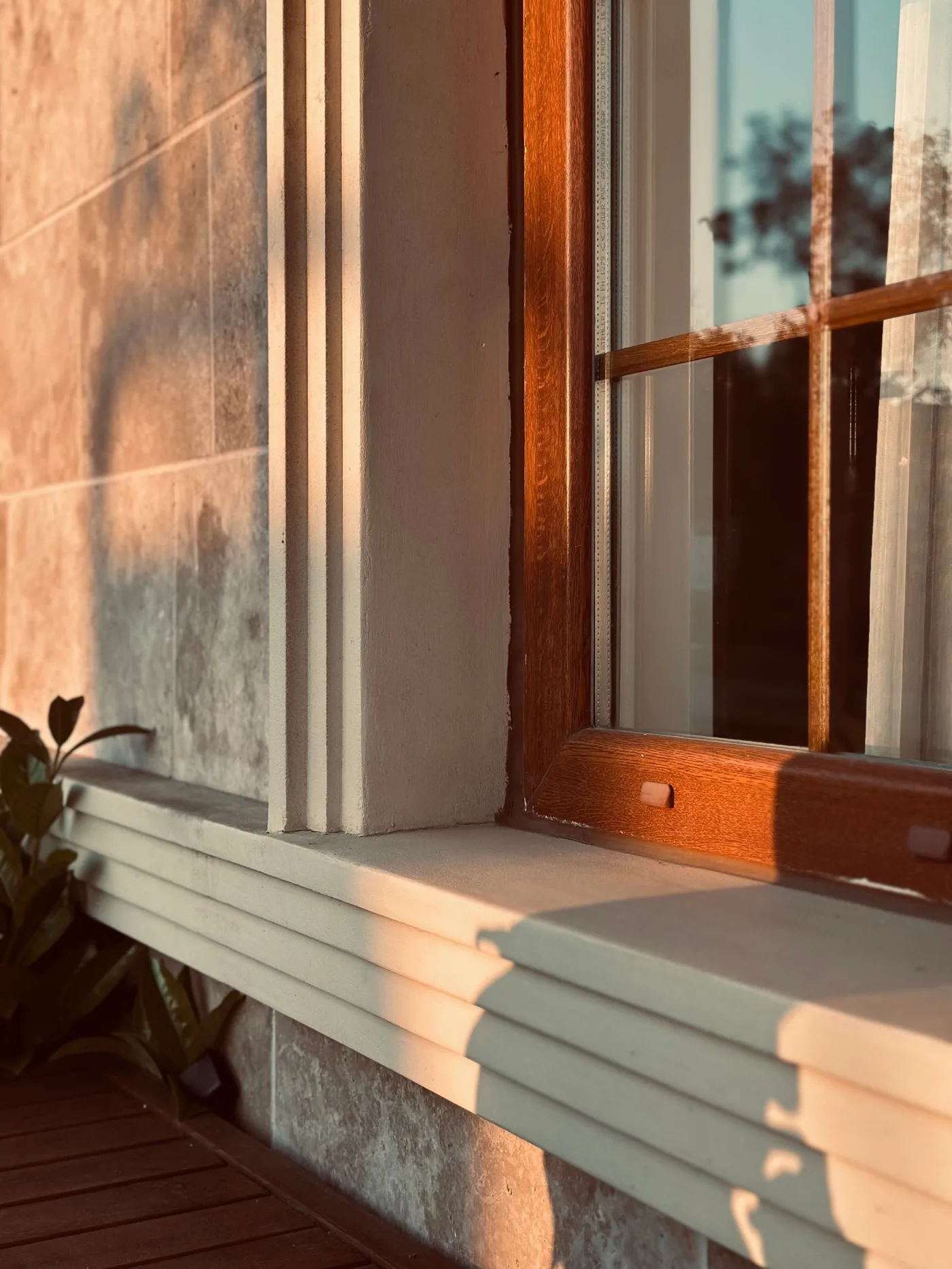
Inside an area that is safe to occupy, look for new stains, damp floor edges or water around accessible doors and windows. Keep clear of sagging ceilings and wet electrical fittings. Do not puncture a ceiling bulge or remove wall material.
Record the time relative to the rain. A mark noticed while rain continues and one discovered the next morning may need different investigation. Describe what is visible without deciding that the nearest roof joint or window must be responsible.
Arrange the right kind of response
An active leak needs prompt attention, while significant flood or sewage contamination requires appropriately qualified recovery advice. Ordinary household cleaning methods should not be extended to contaminated water or damaged electrical systems.
Contact the responsible property manager, insurer or contractor as appropriate, preserving relevant photographs and notes. Safety comes before documenting possessions; do not enter a hazardous area to improve an insurance record.
Once a professional identifies the cause and safe next steps, keep the repair and drying plan together. Ask which conditions should be monitored and when further inspection is needed. Painting a stain is not the same as resolving water entry.
At a later safe time, compare the affected area after another rainfall. Share recurrence promptly. The useful outcome is a clear chain from observation to assessment and corrective work, not a folder of dramatic photographs taken at unnecessary risk.