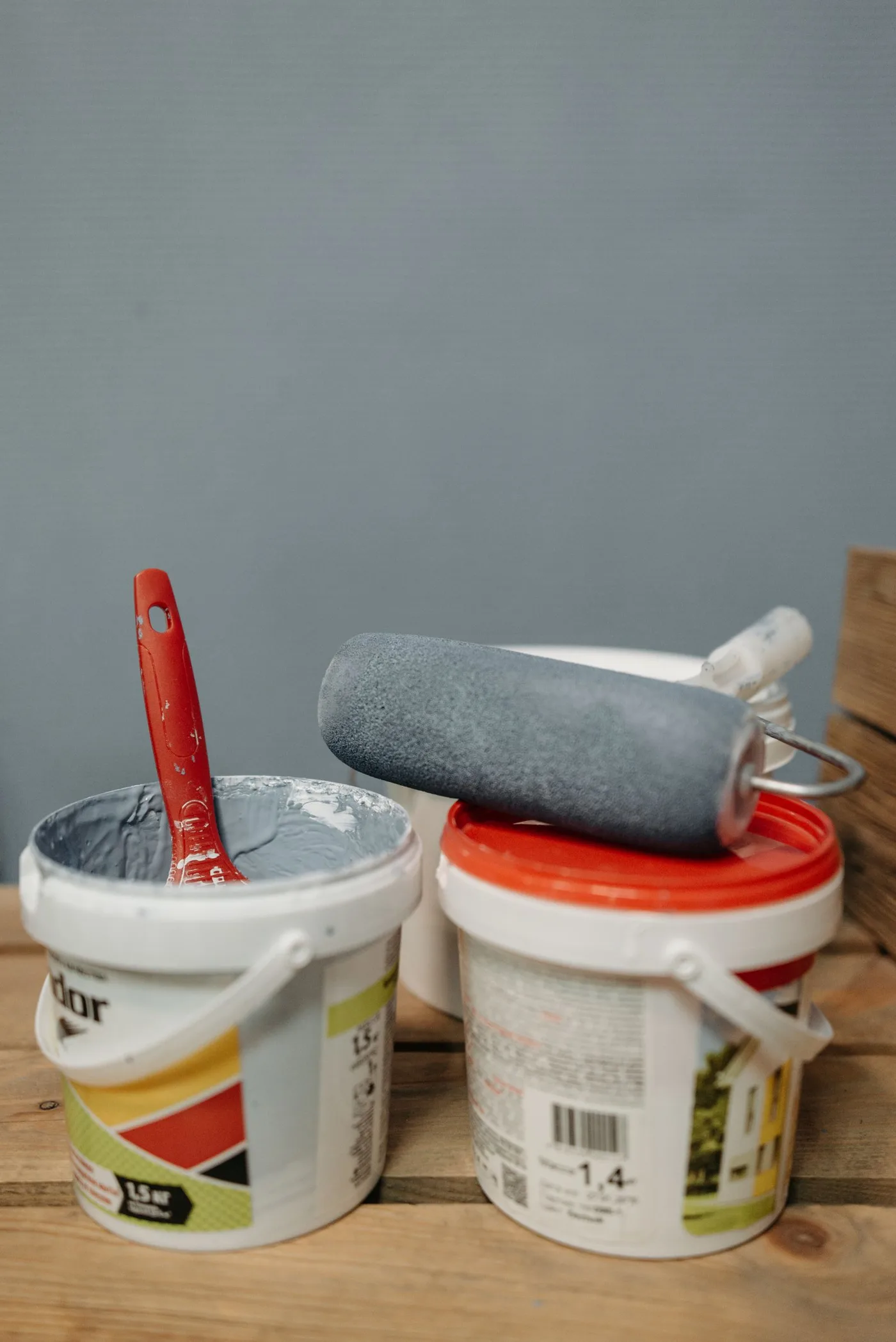
A paintbrush is easier to save while the coating is still workable. Leaving it in a jar until the next weekend can turn a short cleanup into a replacement purchase, while soaking the whole brush may damage its handle or ferrule. The correct cleanup depends first on what you painted with.
Choose the cleanup method and preserve the bristles
Water-based and solvent-based coatings do not share one cleanup method. Check both the paint label and the brush maker's guidance. If the coating requires a solvent, follow its ventilation, handling and disposal requirements and keep it away from ignition sources. Do not substitute a stronger cleaner simply because it is already in the garage.
Remove excess paint back into the working container where appropriate, wiping gently against its edge without forcing the bristles out of shape. Keep paint from drying high inside the metal ferrule. That area is difficult to clean and hardened material there can prevent the bristles from flexing evenly the next time the brush is used.
For a brush and water-based coating approved for washing, use the recommended cleaner and work through the bristles gently. Do not grind the brush into the bottom of a bucket. A brush comb can help with compatible bristles, but pulling violently at dried paint can remove or deform them. Repeat with clean liquid as needed rather than continually working in a thick paint slurry.
Plan waste collection before beginning. Paint residue, wash water and solvents should be managed under the coating label and local waste guidance; they are not something to pour into a storm drain or onto soil. Keep containers labeled and out of reach of children and pets. Different leftover products should not be mixed together for convenience.
Dry it ready for the next job
Remove excess moisture by the brush maker's recommended method and reshape the bristles. Allow the brush to dry in a position that does not leave it resting on its tips. Return it to its protective cover once suitable for storage. The original cover helps preserve the edge that makes cutting in and small touch-ups easier.
Label brushes that are reserved for a particular coating or task, and inspect them before starting again. A brush with hard deposits, loose bristles or a distorted edge may be unsuitable for a visible finish even if it can still spread paint. Keeping a separate utility brush prevents a worn tool from quietly becoming the choice for the most noticeable part of a room.