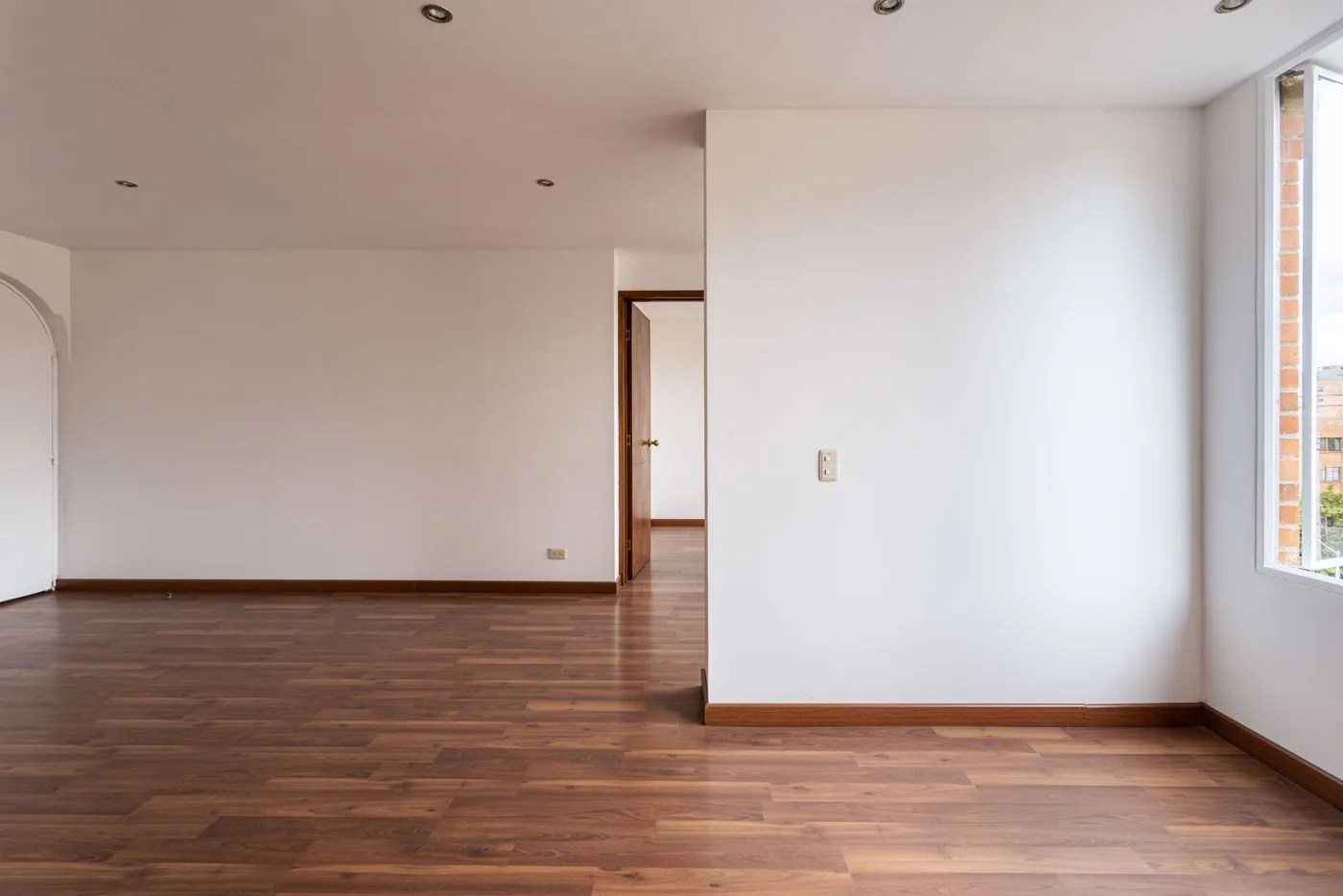
Baseboards show a mixture of loose dust, shoe marks and occasional splashes. The narrow ledge at the top often needs only dry cleaning, while the painted face may need a restrained wipe. Avoid turning the joint between wall and floor into a wet channel while trying to brighten the trim.
Separate dust from marks
Move small objects out of the way and use a soft brush or appropriate vacuum attachment along the top edge. Keep the tool from scraping the wall. Work around the room in a single direction so sections are not missed behind open doors.
Look for peeling paint, swelling or a gap that has recently changed. Do not scrub loose old coatings or sand a mark as part of cleaning. If the coating's age or condition is uncertain, get suitable advice before disturbing it.
Use a barely damp approach where permitted
Check the paint or trim manufacturer's care guidance. Sherwin-Williams recommends a nonabrasive cleaner and an inconspicuous test for painted surfaces. A shiny trim paint and a delicate matte wall can react differently to the same cloth pressure.
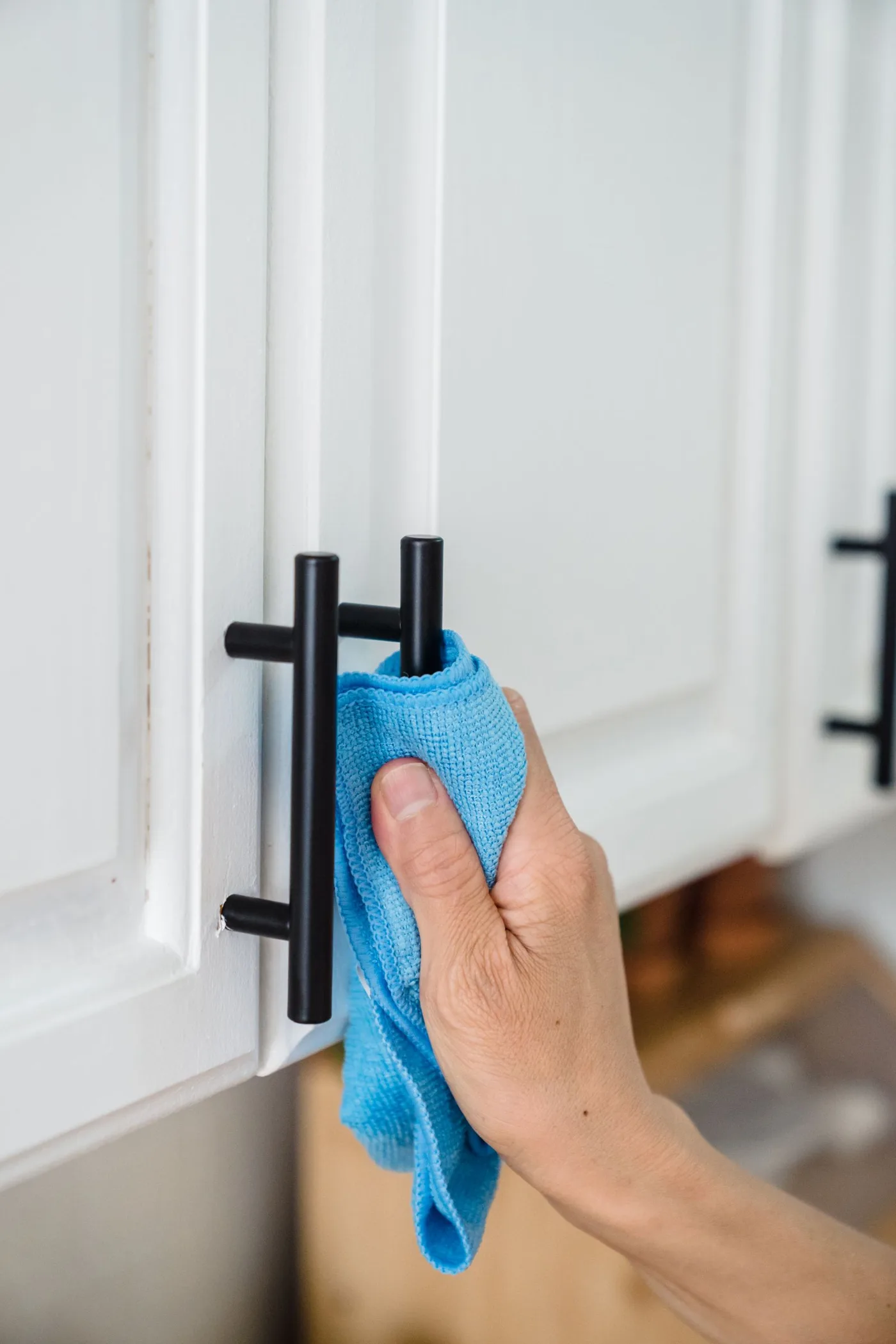
Apply the permitted solution to a soft cloth and remove excess moisture. Wipe a small section, then remove cleaner and dry as the product directs. Pay particular attention to the lower edge and corners, where water can collect against flooring or an exposed cut end.
For a shoe scuff, start gently and inspect after drying. Abrasive sponges can change sheen even if the mark appears to vanish. If color transfers to the cloth or the finish becomes patchy, stop. A localized paint touch-up may be more appropriate than polishing a larger area around it.
Keep outlets and electrical fittings dry. Do not spray along the wall or push a wet cloth behind a cover. If the baseboard is a heating element cover rather than decorative trim, follow that equipment's instructions and cooling requirements instead of treating it as ordinary woodwork.
Finish the floor boundary
Remove loosened debris from the adjacent floor using its own care method. Let the area dry before returning furniture or baskets. Objects resting against damp trim can leave a new mark that resembles the one just removed.
Note recurring wet patches near an exterior door or bathroom. Their location may point to a problem worth investigating, but the stain alone does not identify the source. Record when it appears rather than applying a stronger cleaner every week.
A soft dusting during regular floor care can keep the top ledge from becoming a separate project. Reserve wet cleaning for the sections that need it, especially around joints and damaged finishes where additional moisture is least welcome.