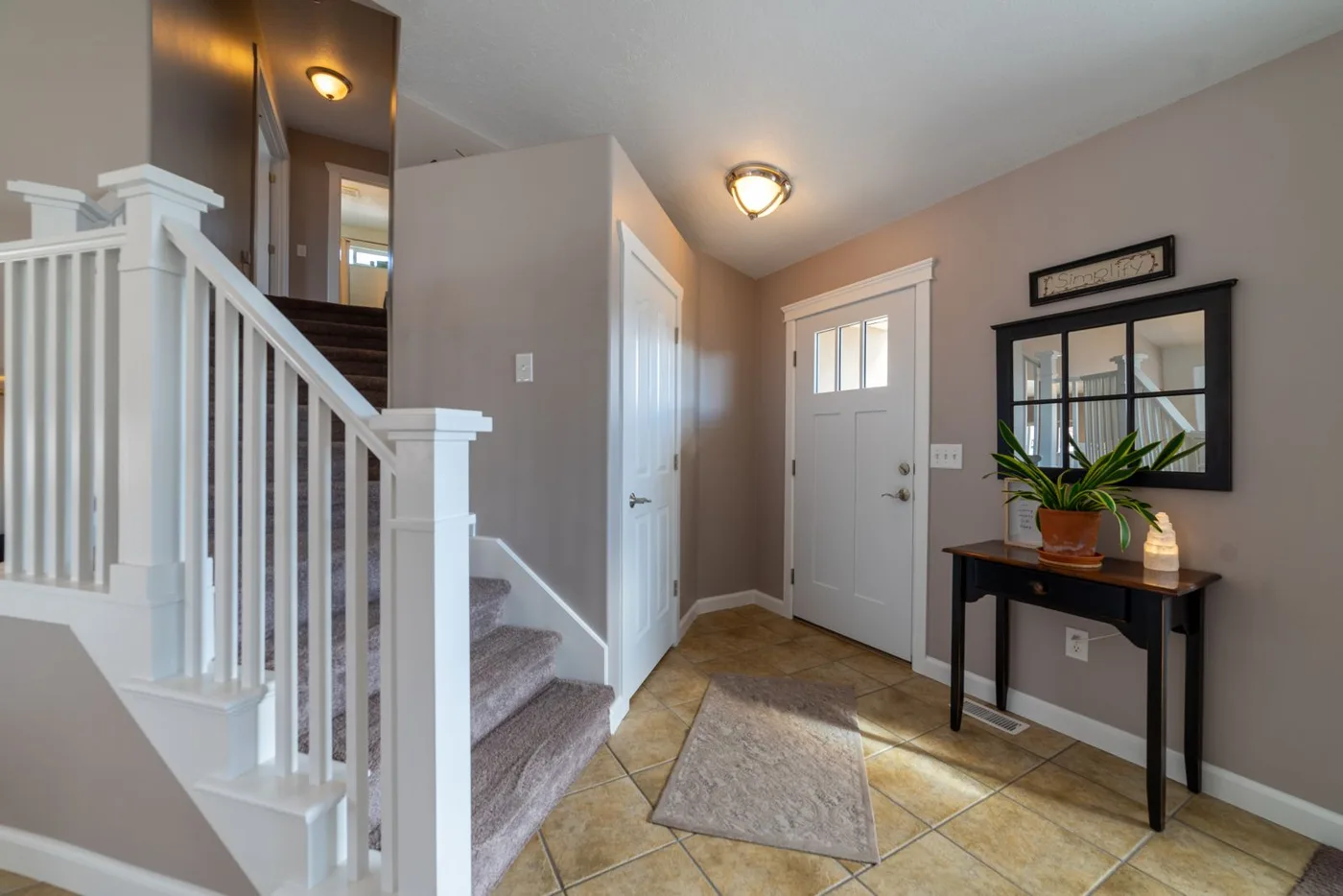
A small entryway can become a storage room without anyone intending it. One parcel waits beside a bag, shoes accumulate around both, and the clear route from the door becomes a narrow channel. The most useful rule is to decide what may pause here and what must move onward to another part of the home.
Protect the route before adding furniture
Observe the full swing of doors and the space needed by household members, guests and mobility equipment. Keep exits and access to controls clear. A slim cabinet is not an improvement if it reduces the usable passage or creates a trip point. Check dimensions in place before ordering, including handles and drawers when open.
Use only stable furniture and appropriately installed hooks or shelves. Follow fixing and anti-tip instructions where applicable. Avoid heavy objects overhead and loose items at floor level. A decorative basket should not hide electrical cords, block a vent or encourage people to step around it in a doorway.
Give incoming items a short stay
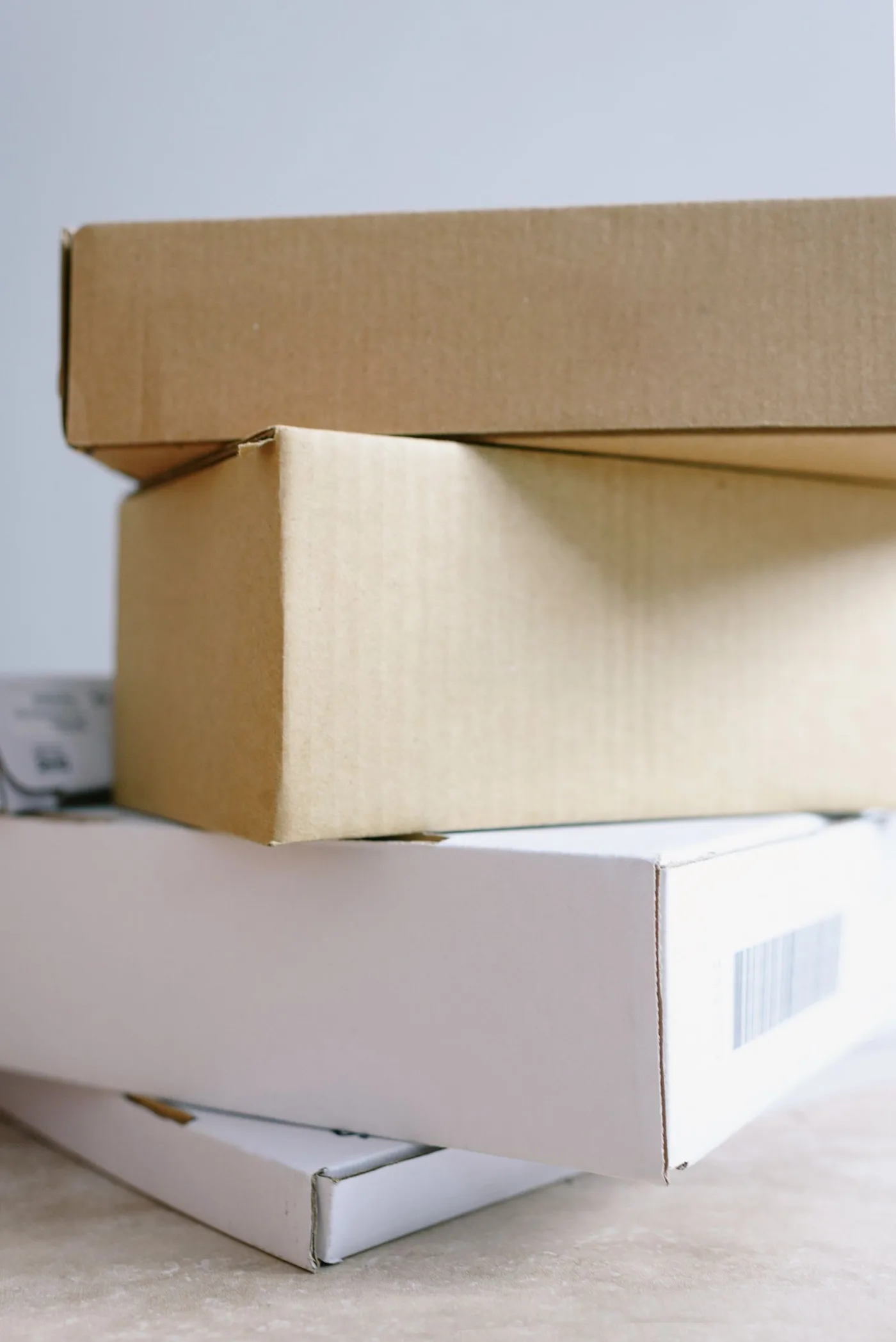
Choose a small place for keys and an appropriate secure location for sensitive mail. Open and route paperwork regularly instead of keeping every envelope beside the door. Set a separate location for parcels awaiting action, and move bulky deliveries out of the passage as soon as they can be handled safely.
Limit shoe storage here to the pairs actually in current use. Provide a suitable place for wet footwear to dry without damaging the floor, and clean that area regularly. Bags and coats that are not needed for the next outing should move to their longer-term storage rather than filling every hook.
Make resetting easier than adding another organizer
At the end of the day, return stray belongings to their rooms and remove packaging through an appropriate recycling route. If the same object repeatedly returns, reconsider its assigned home. A sports bag may need a nearby shelf, while a toolbox probably needs a different room altogether.
Keep any entryway storage deliberately limited. When it fills, review the contents before adding a larger unit. The room should support arriving and leaving comfortably; it does not need to contain every item that might someday be useful on the way out.