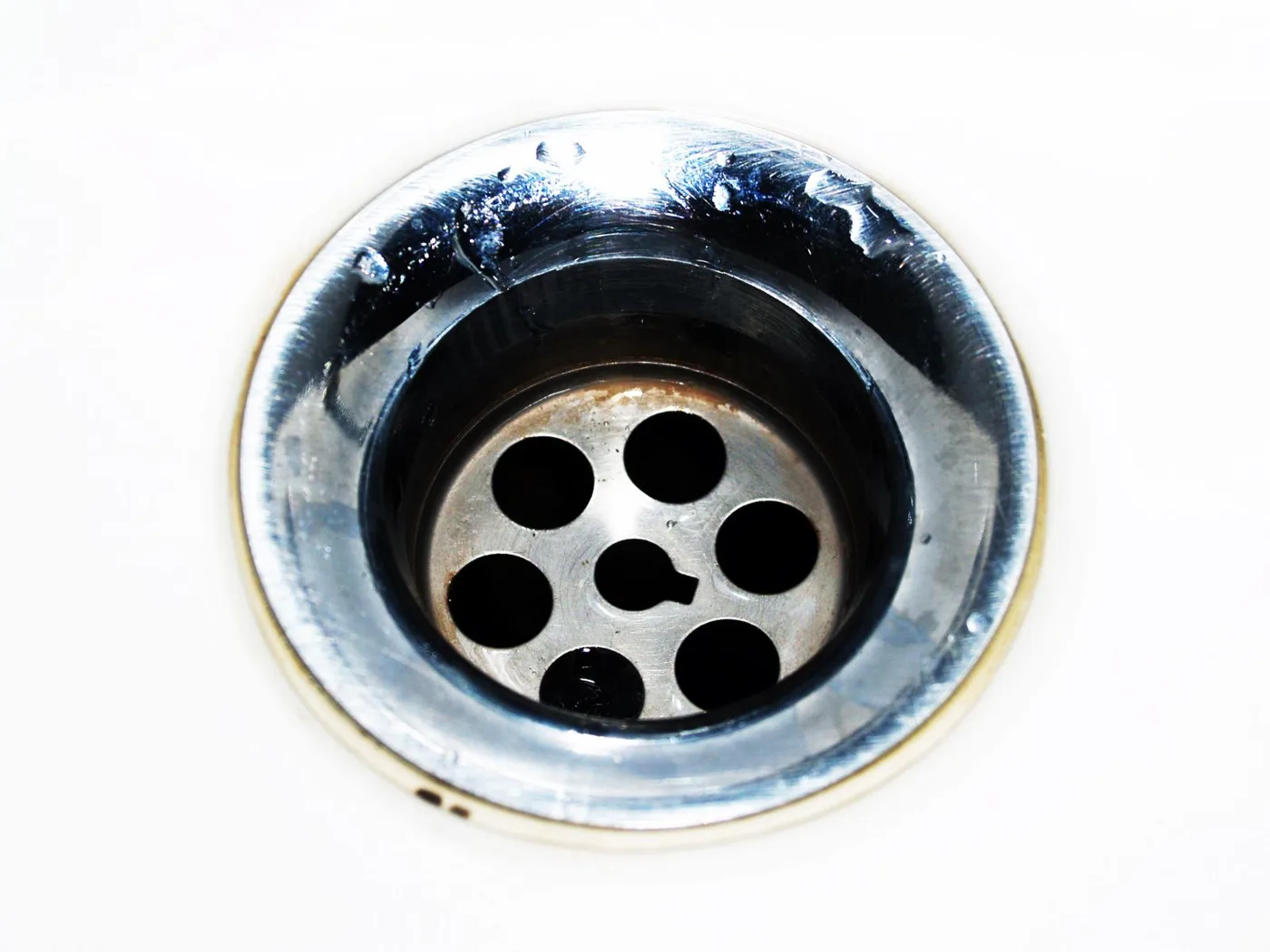
A sink strainer is most effective when it is emptied before scraps become a compact layer. Routine care belongs at the removable screen or basket, not deep inside the plumbing. Keep the job simple and separate a dirty strainer from a drain that is genuinely slow or blocked.
Empty the removable part
Lift the strainer only if it is designed for normal removal. Put captured food or hair into the appropriate waste container rather than rinsing the whole collection down the drain. Use gloves if appropriate to the task and keep the tool separate from food-preparation utensils.
Check the strainer for sharp damage, broken mesh or a loose handle. A damaged edge can catch a cloth or hand. Replace it with a suitable size rather than continuing to clean a part that no longer sits securely.
Clean the screen, not an imagined blockage
Wash the removed strainer according to its material instructions, using a small dedicated brush where permitted. Rinse it and clean the accessible rim before putting it back. Do not push a tool into a disposal or unseen opening to chase material beyond reach.
Do not combine drain products or follow a chemical treatment with an improvised mixture. If a product has already been used, retain the label and follow its safety instructions. Tell a plumber before further work so the recent treatment is not an unpleasant surprise.
A clean strainer should fit without obstructing the drain's normal operation. Run the fixture only as ordinarily needed to check that the basket has seated correctly. If water continues to collect despite a clear screen, stop assuming the strainer is the whole problem.
Recognize when the task has changed
Several slow fixtures, repeated backups, sewage odor or water leaking below the sink calls for plumbing assessment. Avoid repeated boiling-water treatments or dismantling unknown pipework as a substitute for understanding the cause.
Record which fixture is affected, when the problem occurs and whether anything recently entered the drain. A photograph of the basin and strainer can help explain the setup, but it cannot reveal a hidden obstruction.
For prevention, make emptying the basket part of the end-of-meal reset or bathroom cleanup. Keep cooking grease and unsuitable solids out of the drain according to local disposal guidance. A strainer can catch some material, but it is not permission to send everything else through the plumbing.
If the basket repeatedly shifts or allows debris around its edge, measure the opening and choose a properly fitting replacement. A stable inexpensive part often makes the routine easier than an elaborate cleaning product used to compensate for a poor fit.