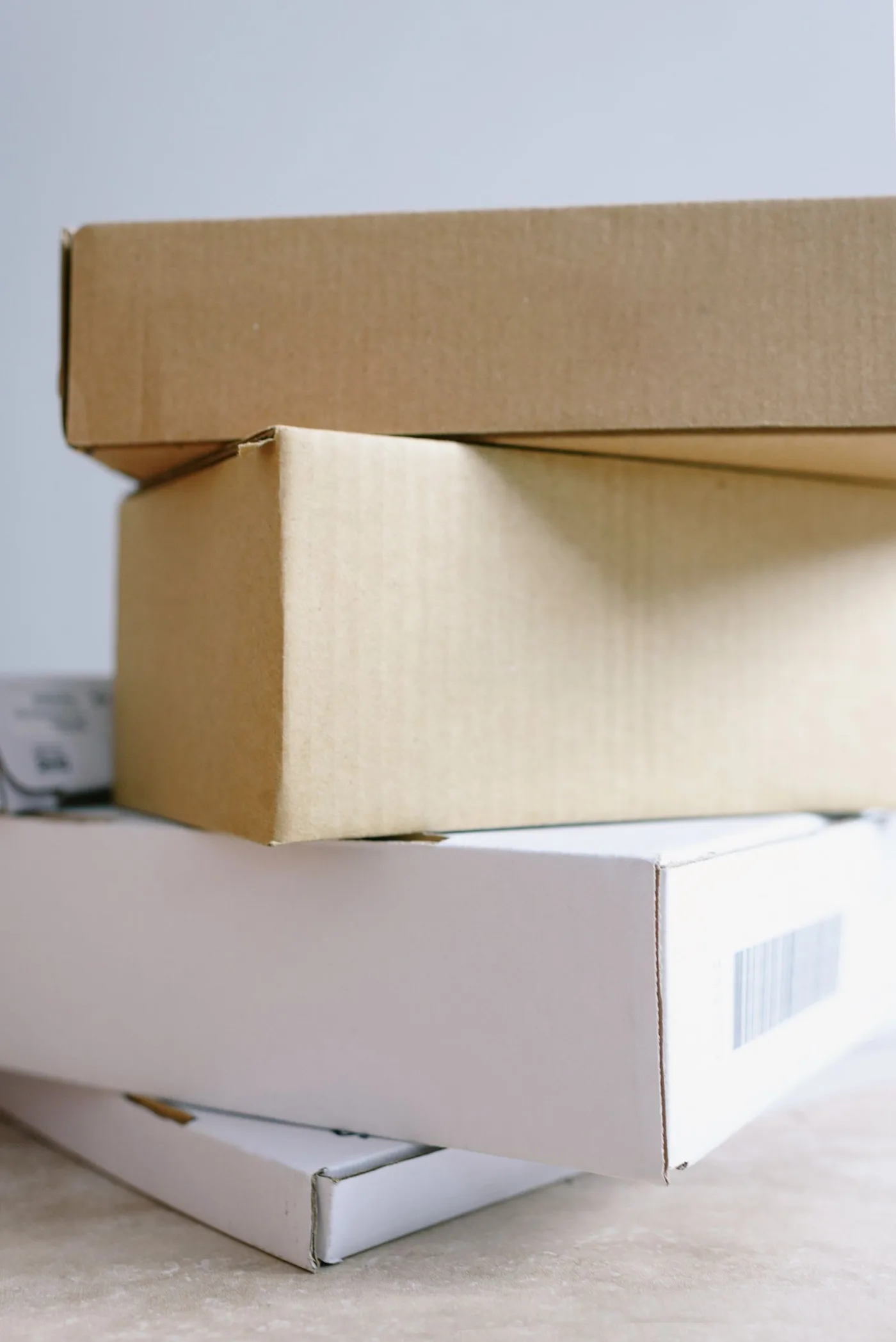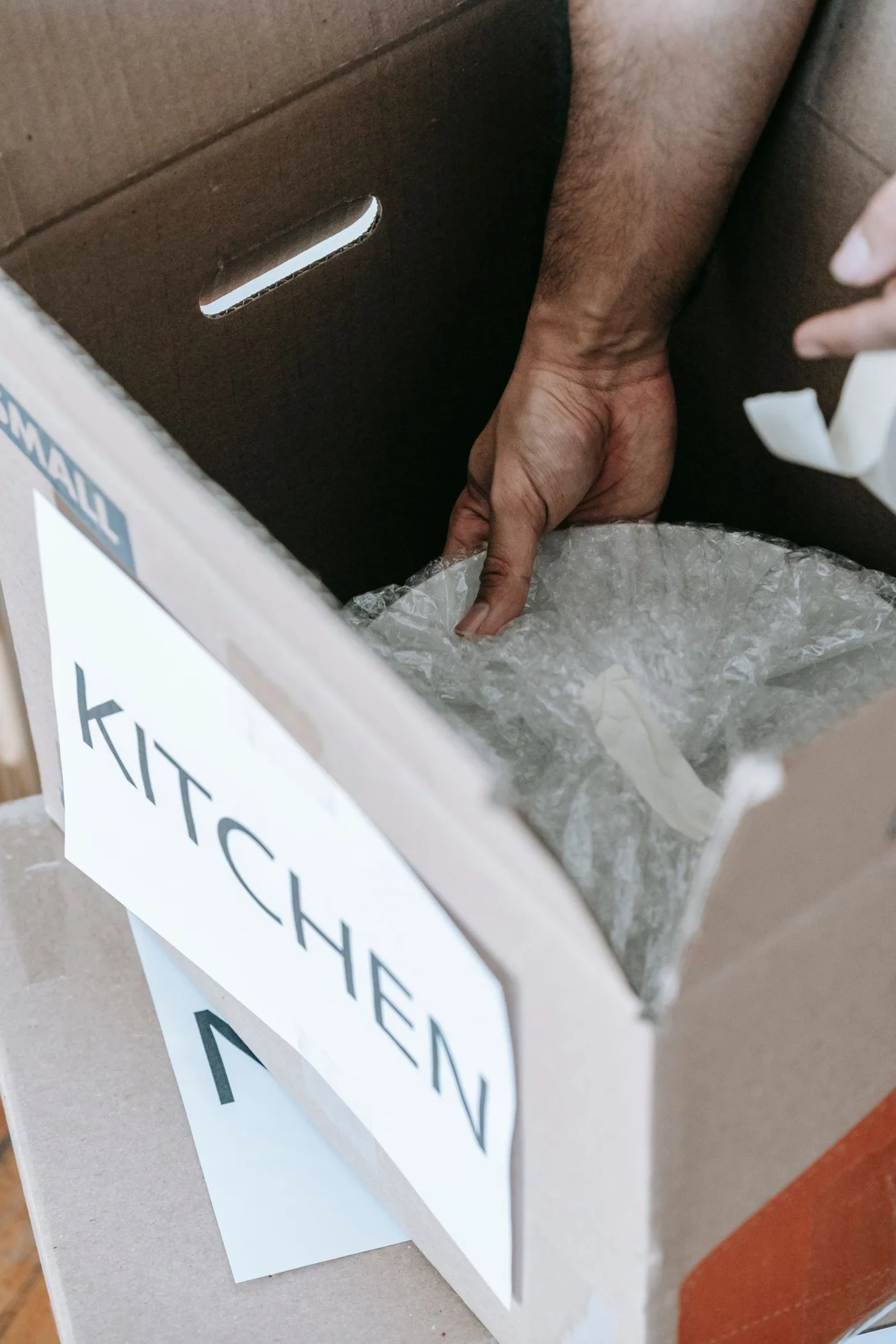
A box marked miscellaneous may be understandable while you pack it, but it tells a helper very little at the other end. Useful labels answer two questions quickly: where does this go, and what will someone find inside? They do not need to list every spoon or expose private information to everyone who handles the carton.
Agree on the room names before writing labels
Use the names that appear on your destination floor plan. Bedroom two can mean different rooms to different people, so add a feature such as upstairs rear bedroom where that helps. If furniture determines the room's purpose, decide on that before the moving day. A desk box should not be sent to a room merely because it was once called the office.
Write the destination on a side that remains visible when boxes are stacked, and add it to the top when useful. Keep the wording and lettering size consistent. Colored tape can help, but pair color with readable text so the system still works in poor light or for someone who cannot readily distinguish the colors.
Describe groups of contents, not every object
Choose short descriptions such as everyday dishes, winter scarves or desk cables. Add an access priority where it matters: open first, needed this week or seasonal. Avoid marking valuables, sensitive documents or personal financial information on the outside. Those items may need to travel separately according to your moving arrangements rather than in the general load.
A simple numbering system can connect each carton to a private inventory. For example, office four can have a more detailed entry in your notes without making the label long. Take a photo of the contents before closing a complicated box if it will help with reassembly or finding a small component later. Keep that record accessible outside the packed boxes.
Make corrections unmistakable
Cross out or remove old destinations on reused cartons. If the contents change, update the label immediately instead of adding an ambiguous second room name nearby. Use a marker that stays readable on the surface and avoid placing the only label across a seam that will be cut during opening.
Give helpers a short explanation of the system and put matching room signs at the new home where permitted. Review labels as boxes leave rather than trying to decode them while a doorway is blocked. Once a carton is unpacked, mark it empty before it is flattened or reused. That small final step prevents an empty container from being mistaken for a missing group of possessions during the last inventory check.