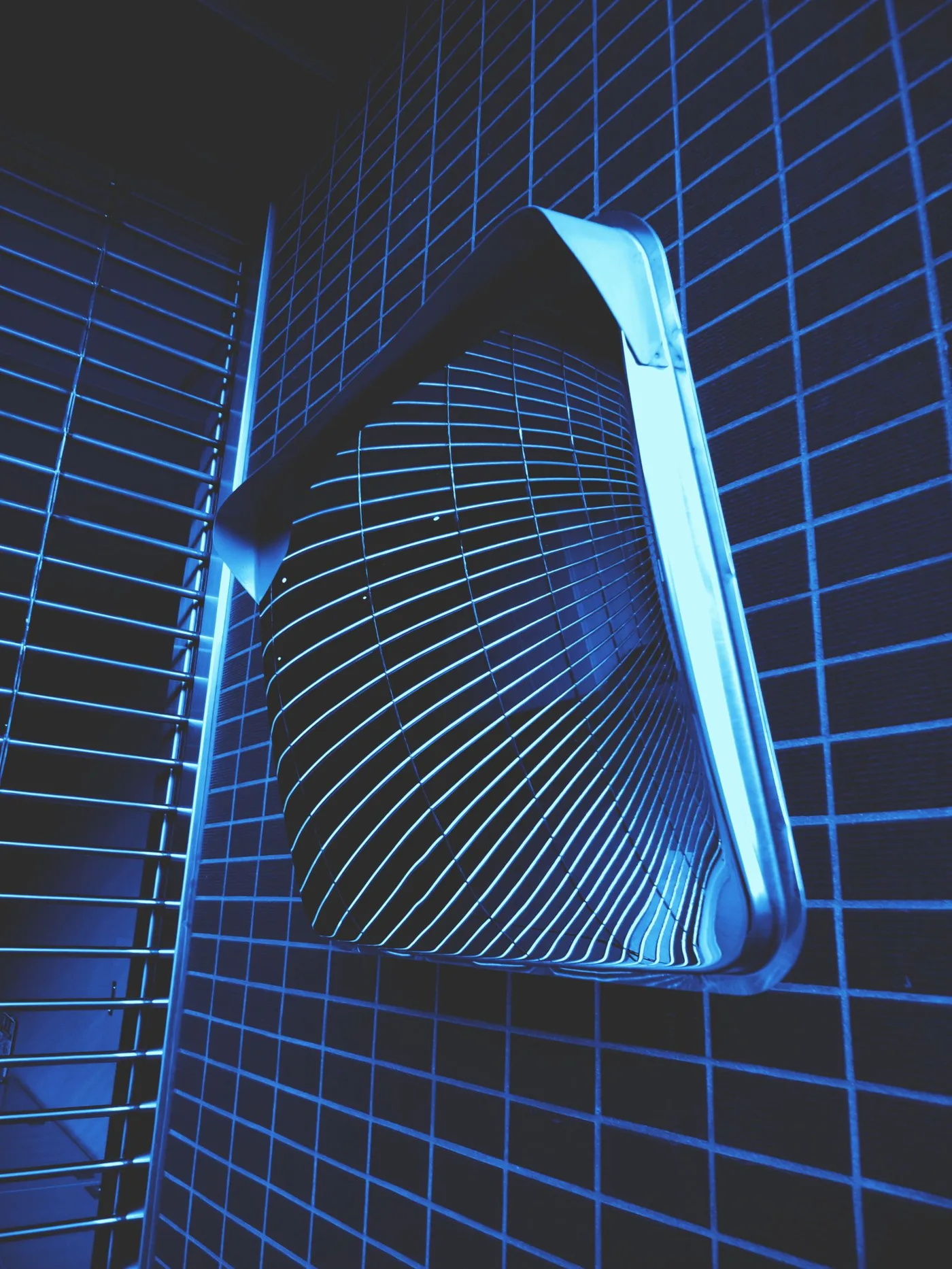
Bathroom ventilation is easy to overlook because the grille may look tidy while moisture continues to linger. Routine care should keep accessible surfaces clear and reveal changes in performance, without opening electrical housings or assuming that a running fan proves the whole system works properly.
Notice how the room dries
Use the installed ventilation as its instructions recommend during and after bathing. Observe whether mirrors, window surfaces and corners dry normally or remain damp much longer than usual. Compare similar conditions rather than judging the system from one unusually long hot shower.
Record any new noise, intermittent operation or visible dust accumulation. A fan that becomes louder is not automatically moving more air. Avoid using a flame or smoke to test it, and do not insert objects through the grille.
Clean only the approved accessible parts
Check the fan model and care instructions. Turn off and isolate the unit as directed before any permitted cleaning. If the grille is designed for resident removal, follow that exact method; do not pull on a cover that may conceal wiring or fragile clips.
Use the allowed soft tool for dry dust removal. Keep moisture away from the motor and electrical components. If safe access requires climbing beyond your ability or equipment, hire suitable help rather than balancing on the toilet or bath edge.
Do not clean an internal duct by pushing a household vacuum hose into it. Hidden duct condition, outdoor termination and electrical faults belong to appropriate assessment. A visibly clean cover is only one part of the ventilation path.
Keep moisture observations actionable
EPA's home-moisture guidance links moisture control to preventing recurring problems. If condensation persists despite normal use and a clean accessible grille, arrange assessment instead of repeatedly wiping the same wet corner.
Provide the fan model, room layout and the pattern you have observed. Mention whether the issue began after a renovation, a new window or a change in household use. These details can help the professional consider the whole room rather than only the fan cover.
Keep towels spread so they can dry and avoid obstructing intended air paths with stored items. Do not seal a deliberate ventilation opening because it feels drafty without understanding its purpose.
After servicing, ask what operating routine and maintenance schedule suit the installed equipment. Record that advice with the model information. A clear instruction for this bathroom is more useful than copying a generic run time from an unrelated fan.