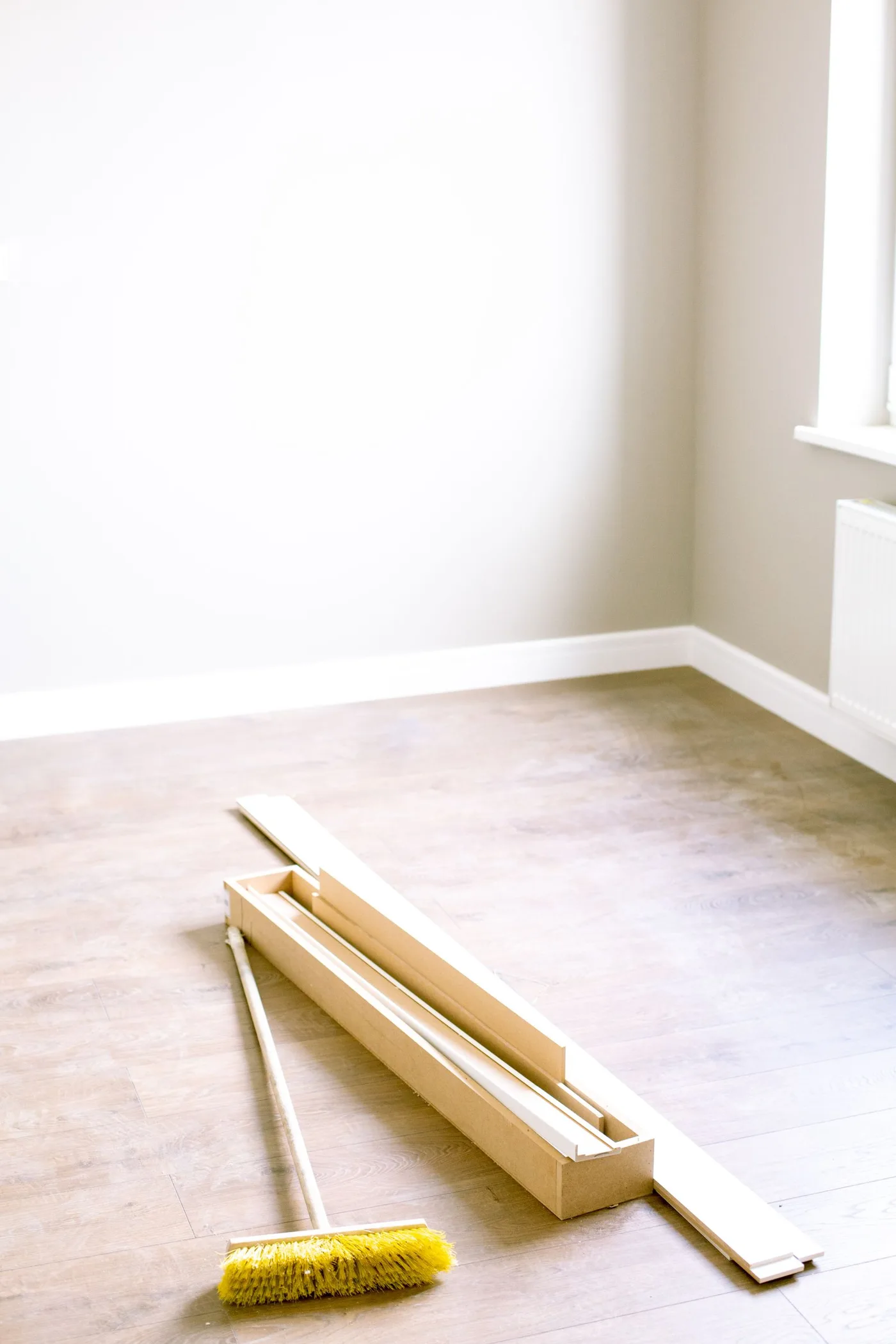
A move-out clean is easier to plan when the checklist follows surfaces and agreed responsibilities rather than a vague instruction to clean everything. Start with the relevant handover requirements, then inspect the rooms after belongings have been removed. Empty spaces often reveal edges, marks and access problems that were hidden behind furniture.
Establish the boundary of the job
Check the lease, sale agreement or handover instructions that apply to your situation without assuming a universal standard. Note which appliances, outdoor areas and supplied furnishings are included. Distinguish ordinary cleaning from damage, repairs and specialist treatment. If something is unclear, seek written clarification from the appropriate person before booking work or buying products.
Record existing condition privately and safely. Photographs can help describe a mark or damaged surface, but do not determine legal responsibility. If a dispute is developing, seek advice relevant to the location and agreement rather than relying on a general cleaning article.
Build a surface list
For each room, list the accessible high surfaces, doors and handles, fittings, glass, furniture that remains and flooring. Add the appropriate material beside anything sensitive: natural stone, finished wood, coated glass or a particular appliance surface. This prevents one strong product from being used across incompatible materials.
In the kitchen, separate cabinet interiors, counters, sink and each appliance. Follow appliance instructions and do not dismantle equipment beyond permitted routine cleaning. In bathrooms, distinguish soap residue and ordinary dirt from damaged sealant, persistent mold or a leak. A cleaning checklist should flag those conditions for suitable attention, not promise that scrubbing will solve them.
For floors, remove loose debris before the approved cleaning method. Avoid soaking a moisture-sensitive surface. Work in a sequence that leaves a safe exit and enough drying time before inspection or moving equipment back into place.
Allocate people, products and access
Write who is responsible for each task, including any hired provider. Confirm whether they bring supplies and whether water, power or parking is required. Keep cleaning chemicals in their original labeled containers, follow directions and never mix products. Protect children and pets from the work area.
Allow time for a final walkthrough in daylight where possible. Check cupboard corners, door edges and the areas around appliances that can be accessed safely. Do not move a heavy or connected appliance merely to reach a hidden patch unless that work has been arranged appropriately.
Finish with a record, not a promise
Mark completed tasks and retain any relevant service receipt or agreed checklist. Photograph the condition after cleaning if appropriate, taking care not to capture personal information. Check that windows and doors are secured and that any keys or access arrangements are handled as agreed.
No generic checklist can guarantee a deposit return or acceptance by another party. It can, however, make the work clearer, identify missed areas and show what was actually included in the cleaning plan.