Access arrangements are part of a home-service booking, not a detail to improvise after the provider arrives. A locked gate, unavailable parking space or missing building permission can consume an appointment before work begins. Plan how the person reaches the correct area while limiting access to the rest of the home.
Agree on the route and the contact
Confirm the address, entrance and any building-specific check-in procedure. Give directions that identify the entrance without sharing unnecessary household information. Ask about vehicle space and equipment access, then check restrictions with the relevant building manager or local authority where needed. Do not promise a reserved space that you do not control.
Name the person who can answer questions during the visit and decide how arrival will be confirmed. If someone else will meet the provider, ensure they understand the scope and what they may authorize. Avoid leaving a helper to approve extra work without any agreed boundary or contact method.
Keep entry information limited
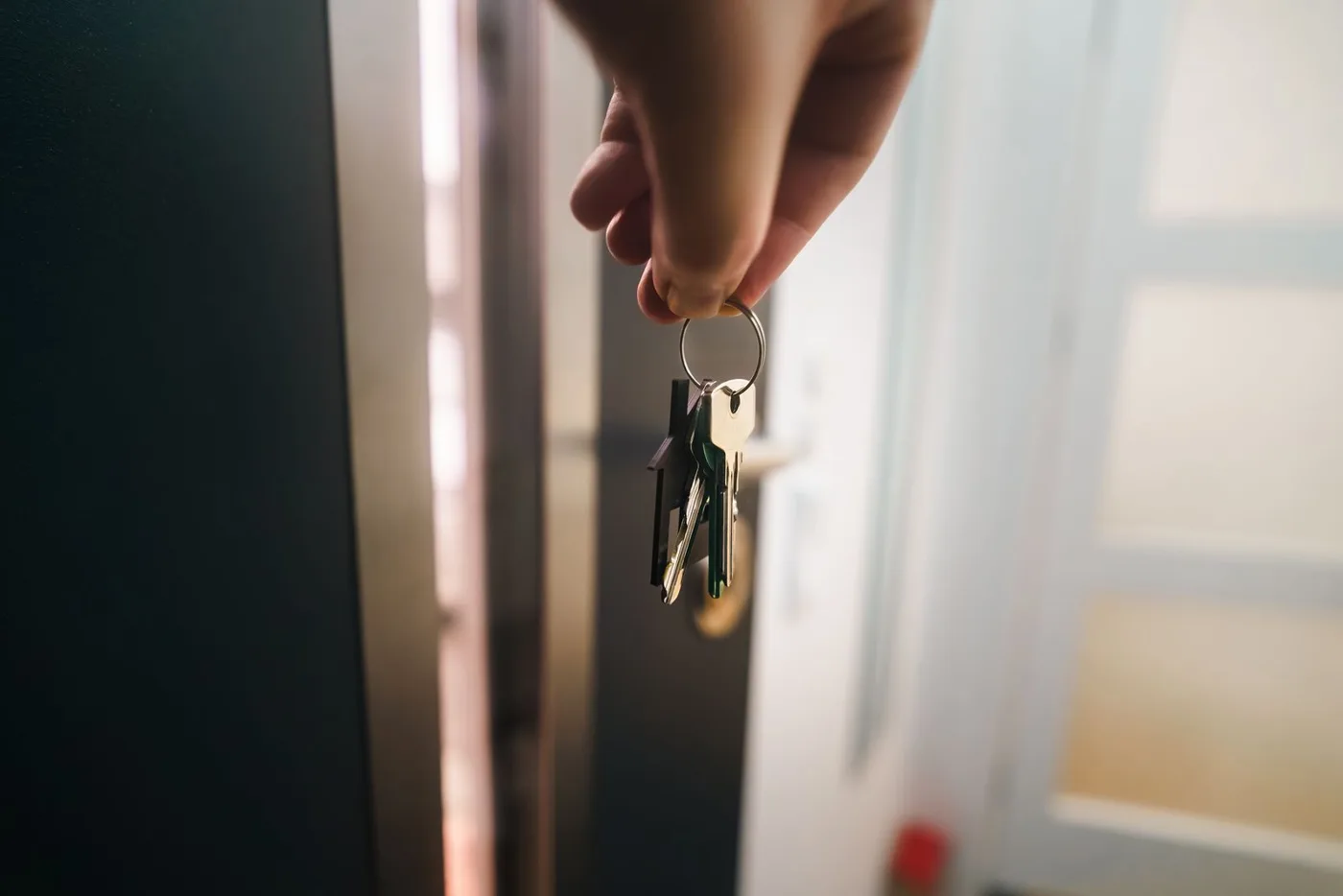
Use the provider's agreed secure method for any temporary key or code arrangement. Do not put access codes in publicly visible notes or send them to an unverified contact. Confirm identity through the booking channel if an unexpected person arrives. Where possible, restrict access to the necessary rooms and remove sensitive documents from view.
If a temporary code or key arrangement is used, decide how access ends after the work. Follow the lock or building system's instructions and any applicable property rules. Do not change a shared entry system without permission. Keep a simple record of who has a key and when it should be returned.
Prepare the work area, not the whole house
Clear manageable obstructions along the route and tell the provider about stairs, narrow passages or fragile finishes. Discuss any heavy furniture or connected equipment instead of moving it unsafely. Keep children and pets in a suitable separate area, with responsibility assigned to a household member.
Before leaving the provider unattended, confirm whether that arrangement is accepted and how questions, deliveries or unexpected conditions will be handled. At the end, check the agreed area, secure doors and windows as appropriate and close out temporary access. A clear plan protects both the appointment time and the household's privacy without making the visit unnecessarily complicated.