A storage unit is easy to fill and surprisingly difficult to use afterward. The usual problem is not a shortage of labels but an arrangement that requires moving half the contents to reach one box. Sketch a simple layout before delivery, including a clear access route and the objects you expect to retrieve first.
Start with the terms and the space
Confirm the unit's usable dimensions, access arrangements and restrictions with the operator. Check which goods are prohibited and what protection or insurance arrangements actually apply. Do not assume that the phrase climate controlled means every material can be stored indefinitely without inspection. Ask how environmental conditions are managed if you are storing moisture-sensitive belongings.
Inspect the unit before unloading. Look for signs of water entry, pests or damage and raise concerns with the operator. A storage layout cannot compensate for an unsuitable space. Keep the doorway and any required safety access clear, and follow the facility's rules for shelving, stacking and clearance around building features.
Draw zones around retrieval
Place items needed soon near the accessible end, with less frequently used belongings farther back. Reserve a route wide enough to move safely and turn with the items you intend to retrieve. Do not sacrifice that route to the final few boxes; those boxes may be the ones that prevent every future visit from going smoothly.
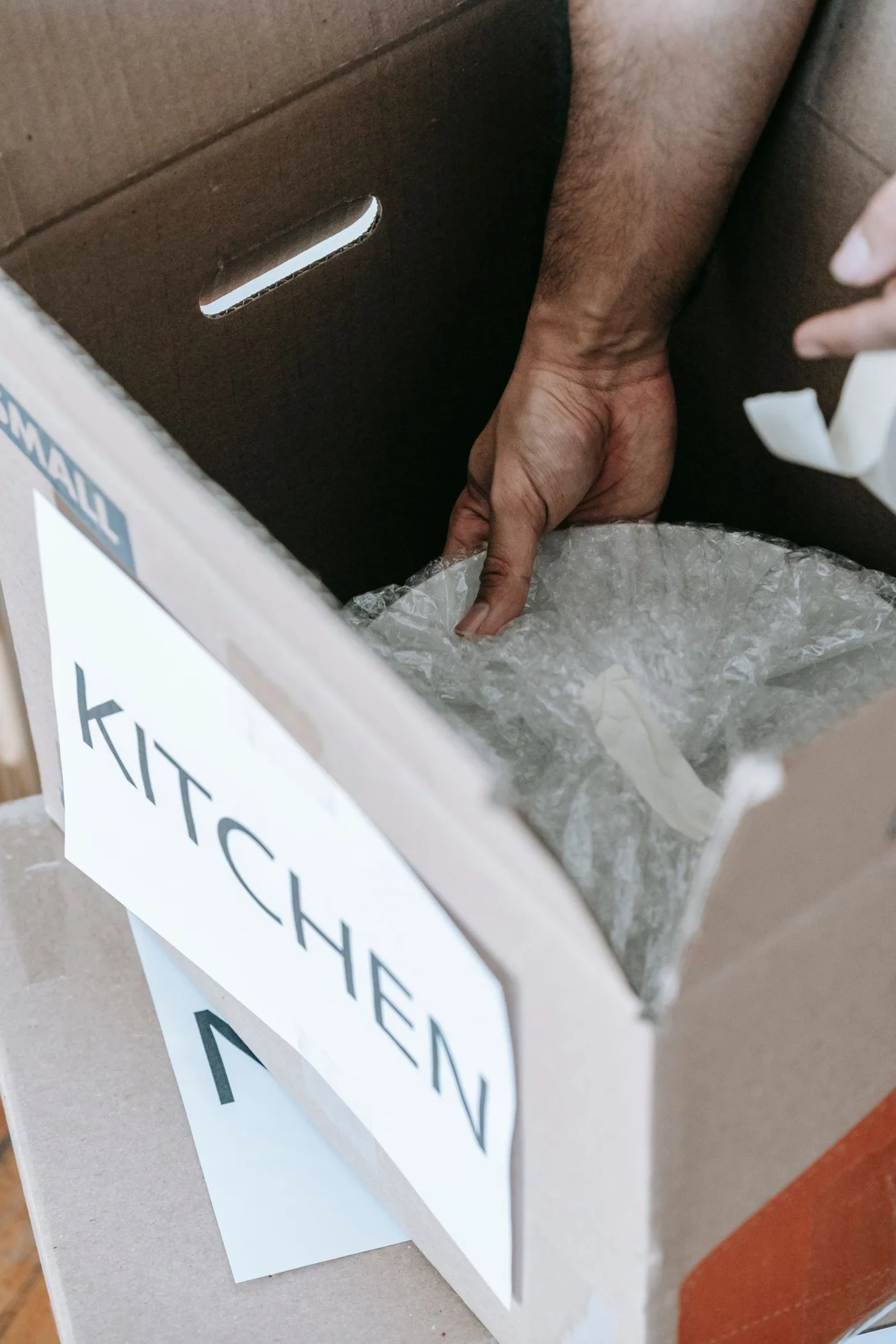
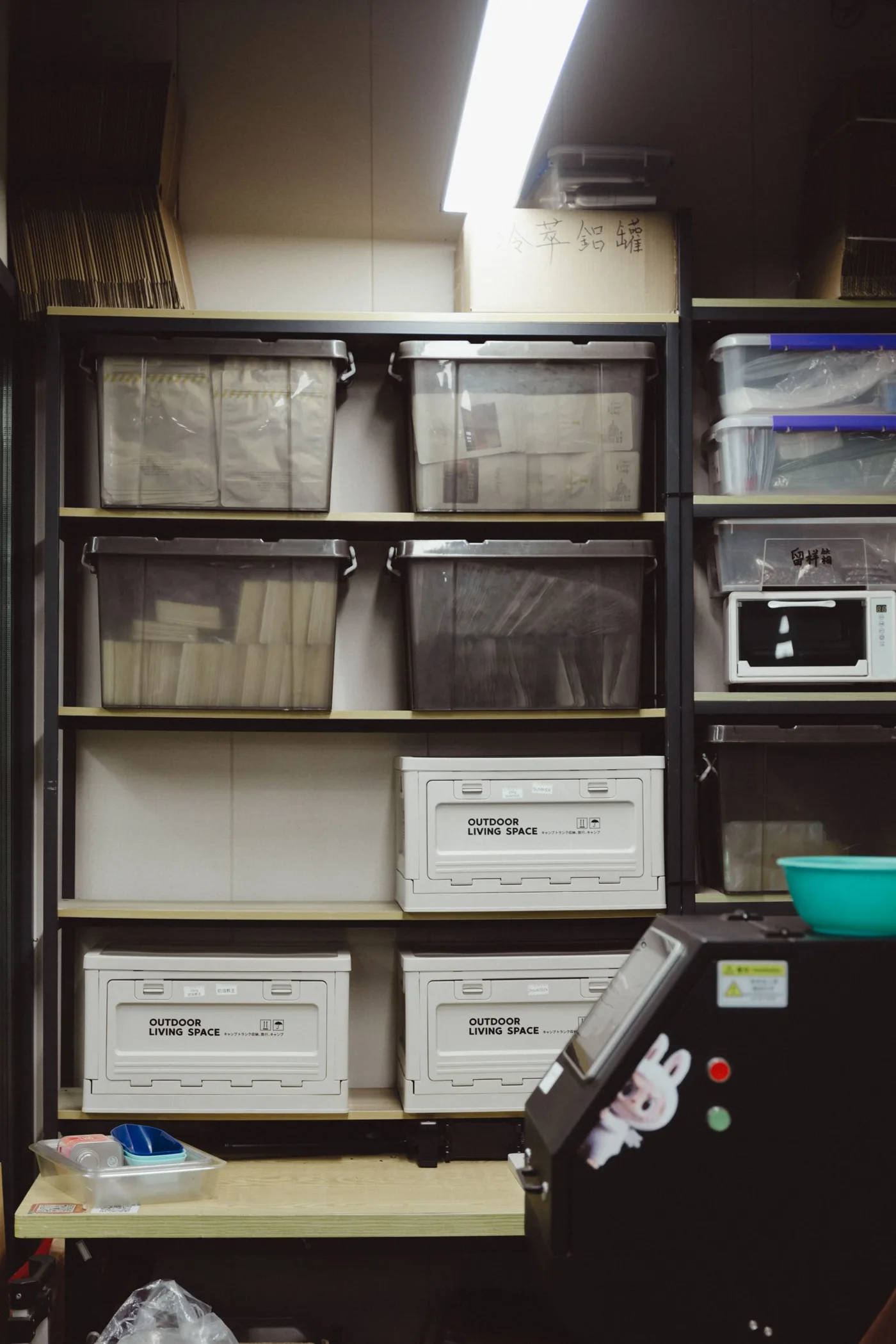
Group boxes by room or purpose, with labels facing the route. A simple location note such as left rear, seasonal clothing is often enough. If several identical containers are used, add a number and a brief inventory. Keep private documents out of view and store valuable or sensitive items only where the security and environmental arrangements are appropriate.
Treat weight and shape separately
Heavy items generally need a stable low position, but stability depends on the whole arrangement. Follow container and shelving load limits and avoid stacking fragile or irregular objects as if they were uniform cartons. Do not lean a large object where it could fall into the aisle when a neighboring box is removed.
Use suitable protection between furniture and other objects, keeping everything clean and dry. Follow the furniture manufacturer's advice where available. Do not balance boxes on a upholstered surface or assume a tabletop is suitable for a long-term concentrated load. Leave space to inspect vulnerable items rather than enclosing every side with belongings.
Record the layout before leaving
Take a private photograph from the doorway and save a short inventory outside the unit. Include the location of any item likely to be needed unexpectedly. Close and secure the unit according to the operator's instructions, and keep access information private.
On later visits, return items to their assigned zone and update the inventory when something leaves. Inspect for changes in condition rather than treating the unit as a sealed archive. If the aisle starts disappearing, rearrange or reduce the contents before the next delivery. A useful storage unit remains accessible after the first day, not merely full.