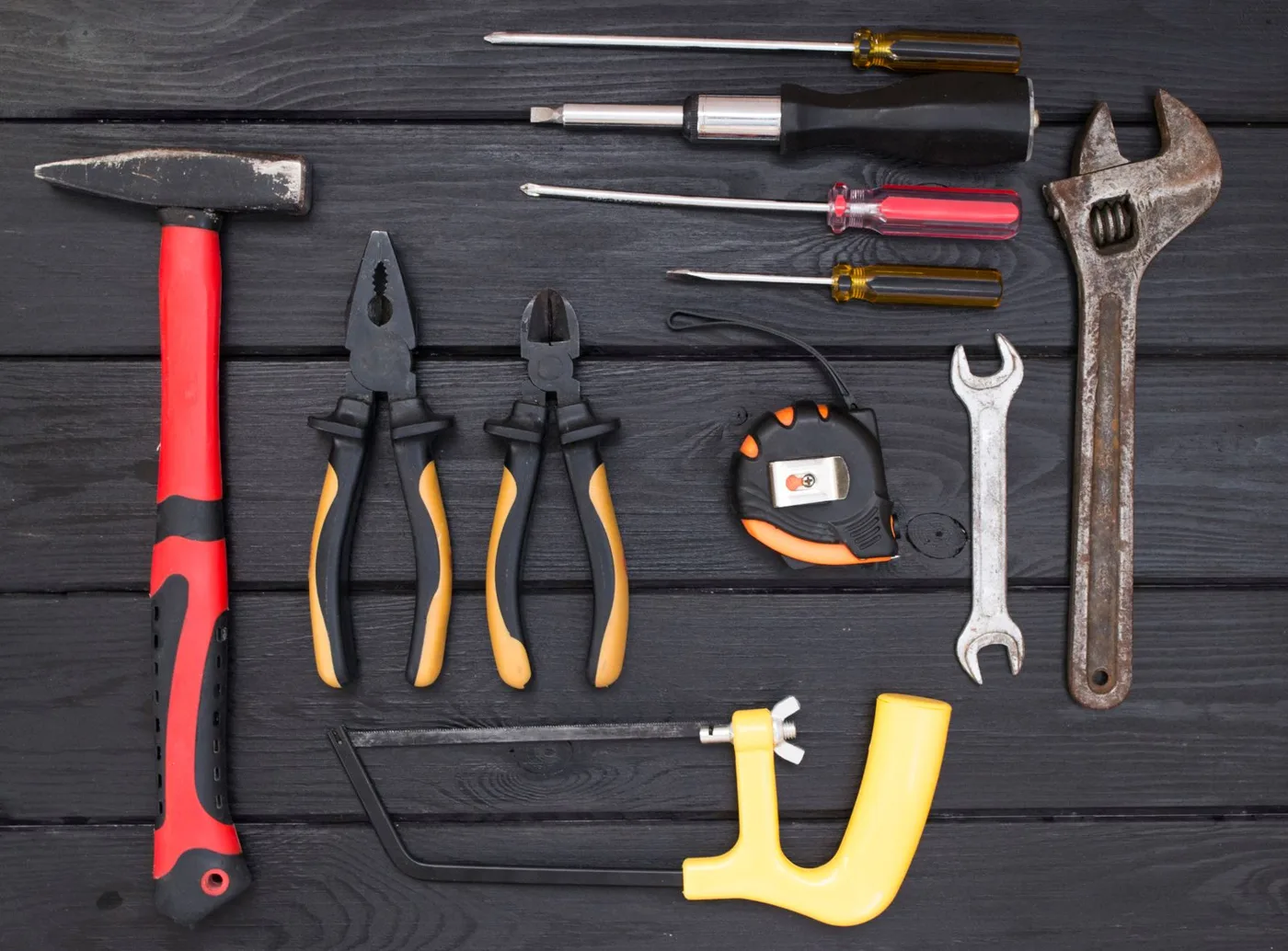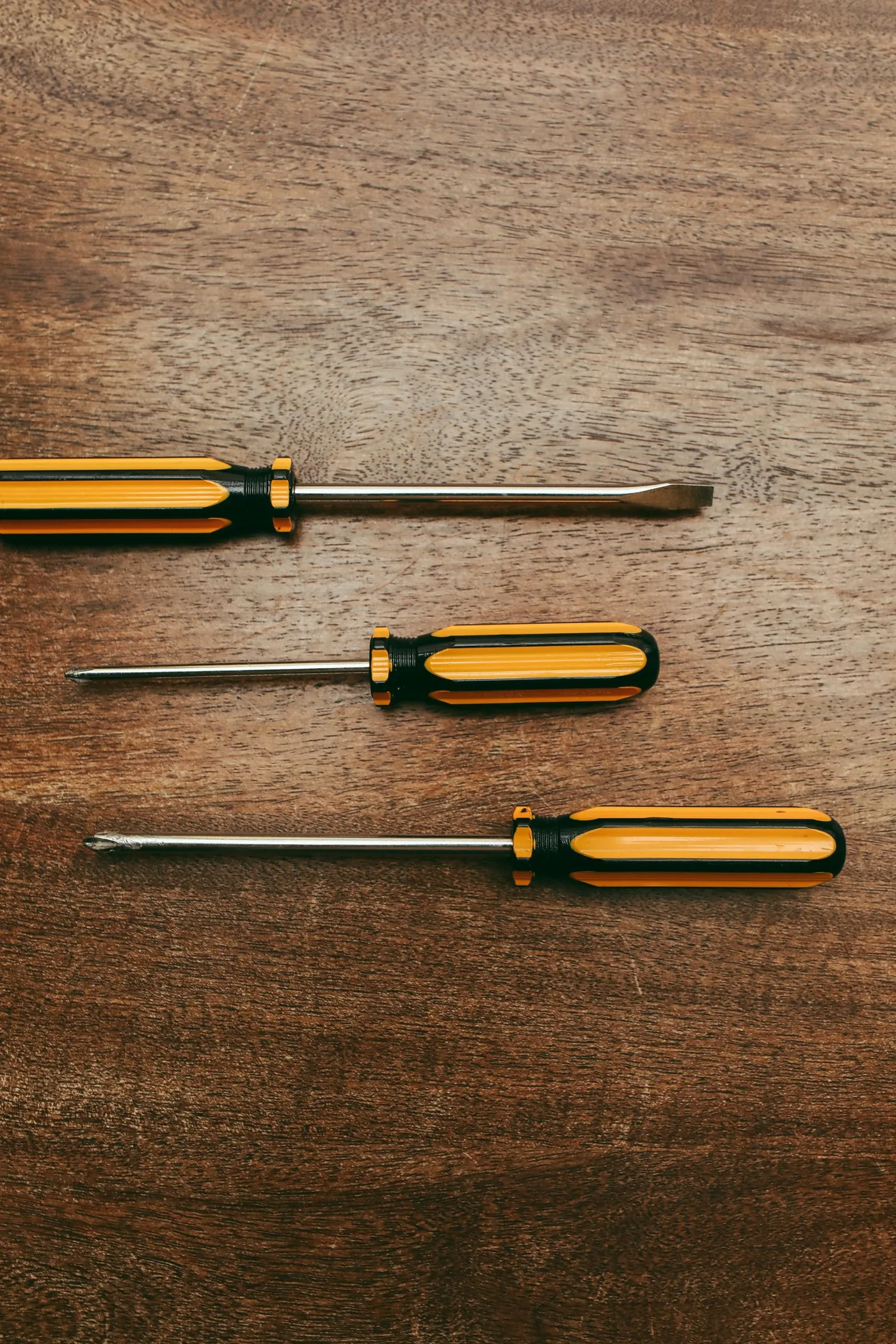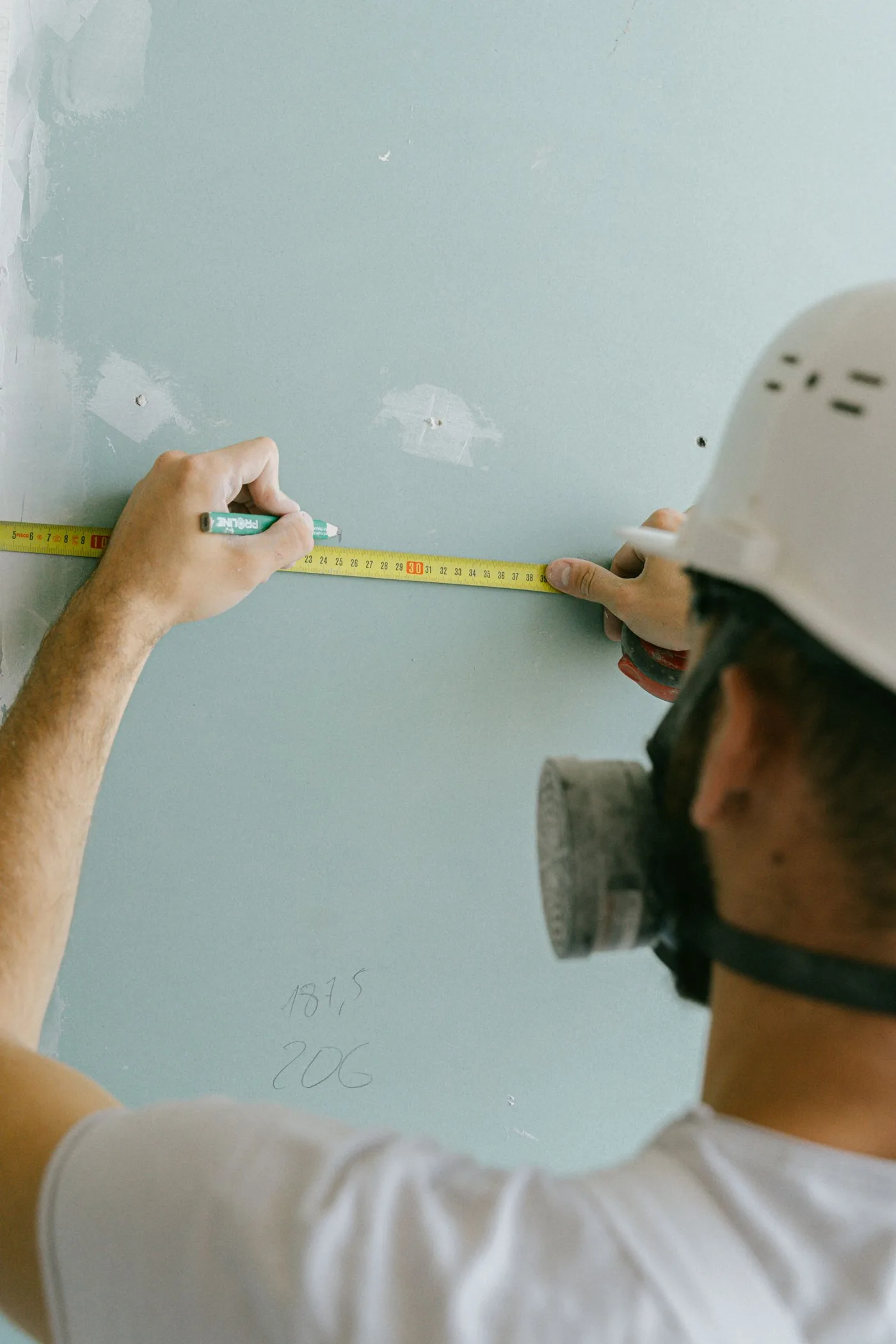
A household work area has to protect more than the floor directly beneath a project. People still need to reach doors, use the kitchen and move through the home. Plan the boundaries, storage and end-of-day condition before starting so a small repair does not leave sharp tools and wet coatings in the middle of normal life.
Keep a usable route outside the work
Choose a working position that leaves exits, stairs and essential equipment accessible. Move loose rugs and trailing cords out of the route. If a task would block the only safe way through a room, schedule it for a time when that space can be closed or use another location. Do not make household members step over tools to reach a door.
Explain the boundary to everyone who uses the space. Children and pets need a physical separation appropriate to the task, not just a verbal warning. Keep adhesives, fasteners, blades and cleaners in closed storage when not in use. A tray on the edge of a table is not secure storage for small parts.
Match protection to the surface and the task
Use a drop cloth or protective board suited to the flooring and likely spill. Thin plastic may stop a splash but can become slippery or tear under a tool. Keep protective material flat and secure without applying tape that could damage the finish. Check beneath it occasionally so trapped grit is not being ground into the floor.
For a clean assembly task, a padded work surface may be enough. Sanding, paint preparation and work on unknown old materials require a different plan. Do not attempt to solve hazardous dust with a household sheet or by opening a window. Identify suspect materials and arrange qualified assessment before disturbing them.
Give wet and curing materials their own place
Read the ventilation and handling requirements for the products being used. Keep ignition sources away where the label requires it, and avoid storing open containers beside food. Reserve a level, protected location where a glued or painted item can remain undisturbed for the full specified period.
At each pause, close containers, collect loose fasteners and return blades to their guards or cases. Leave a clear note about anything still wet or not ready to carry weight. Clean with methods appropriate to the material rather than sweeping dust into the adjoining room. A tidy stopping point is part of the project, not an optional task after all the visible work is finished.
Plan a stopping point before starting
For a small paint touch-up beside a busy doorway, the useful plan might be to move the work to a quiet part of the day, keep the door route open and protect only the surfaces actually at risk. For a furniture glue repair, it may be better to use a separate room where the assembly can remain undisturbed overnight or for the product's required cure. Those are different layouts even though both jobs are small.
Write down what must be usable at the end of the session: the entrance, a cooking surface or a child's route to bed. Work backward from that requirement, allowing time to close products and remove temporary obstacles. If the preparation and cleanup do not fit the available time, postpone the task rather than leaving the household to navigate an unfinished work zone.