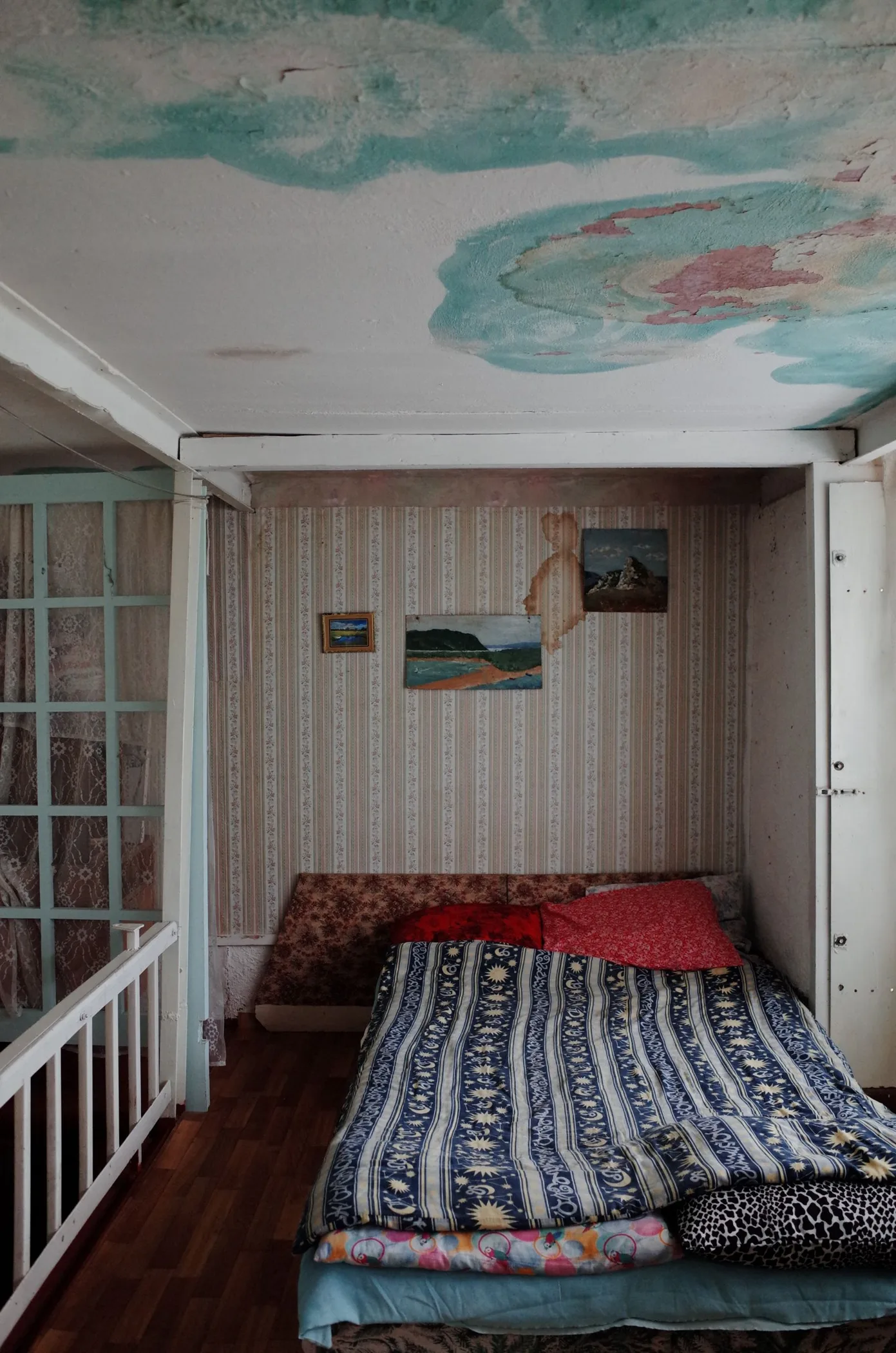
A water stain tells you that a surface has changed, but not necessarily where the moisture began. Water may travel before it becomes visible, and an old mark can remain after a repaired problem. The useful response is to record the condition, check for immediate hazards and arrange investigation without covering the evidence.
Start with safety and change
If a ceiling is sagging, material is falling, water is near electricity or a leak is rapidly worsening, keep clear and seek urgent professional assistance. Do not stand beneath a bulge, poke it to release water or touch a wet electrical fitting.
For a small stable-looking mark in a safe area, take a wide photograph and a closer one. Record the date, room and exact position. Avoid rubbing, scraping or repainting it while the cause is unknown; that can remove clues and expose materials unnecessarily.
Record conditions around the mark
Note recent rain, plumbing use, appliance operation or a change in indoor moisture. A bathroom directly above is a useful fact, but it does not prove the bathroom is responsible. Use neutral wording when reporting the issue.
Look from safe accessible positions for related changes: a damp baseboard, a musty odor or a window corner that also collects moisture. Do not enter an attic or open a wall to follow the stain. A professional can decide which inspection method is appropriate.
If the mark appears unchanged, keep the record and arrange advice according to the situation. Do not assume it is harmless because the surface feels dry on one occasion. Equally, avoid claiming that the color identifies a particular mold or leak source.
Make the investigation easy to follow
Provide the observer's record, photographs and any repair history to the responsible contractor, landlord or property manager. State whether the mark is new, spreading or recurring and what you have done so far. Clear information is more useful than a confident but untested diagnosis.
EPA's moisture guidance emphasizes correcting the water source. Cosmetic work should follow appropriate investigation and drying, not replace them. Ask what will be checked, which areas need access and how the findings will be documented.
Keep the follow-up separate from decoration
After repair, record the work date and any recommended drying or monitoring period. A remaining discoloration may need suitable finishing work later, but ask when the surface is ready rather than painting immediately.
Compare later photographs from a similar angle and light. Note a new edge, fresh dampness or a repeat after rain promptly. The aim is not to become a building diagnostician; it is to make sure a visible symptom leads to a resolved cause rather than a repeatedly repainted patch.