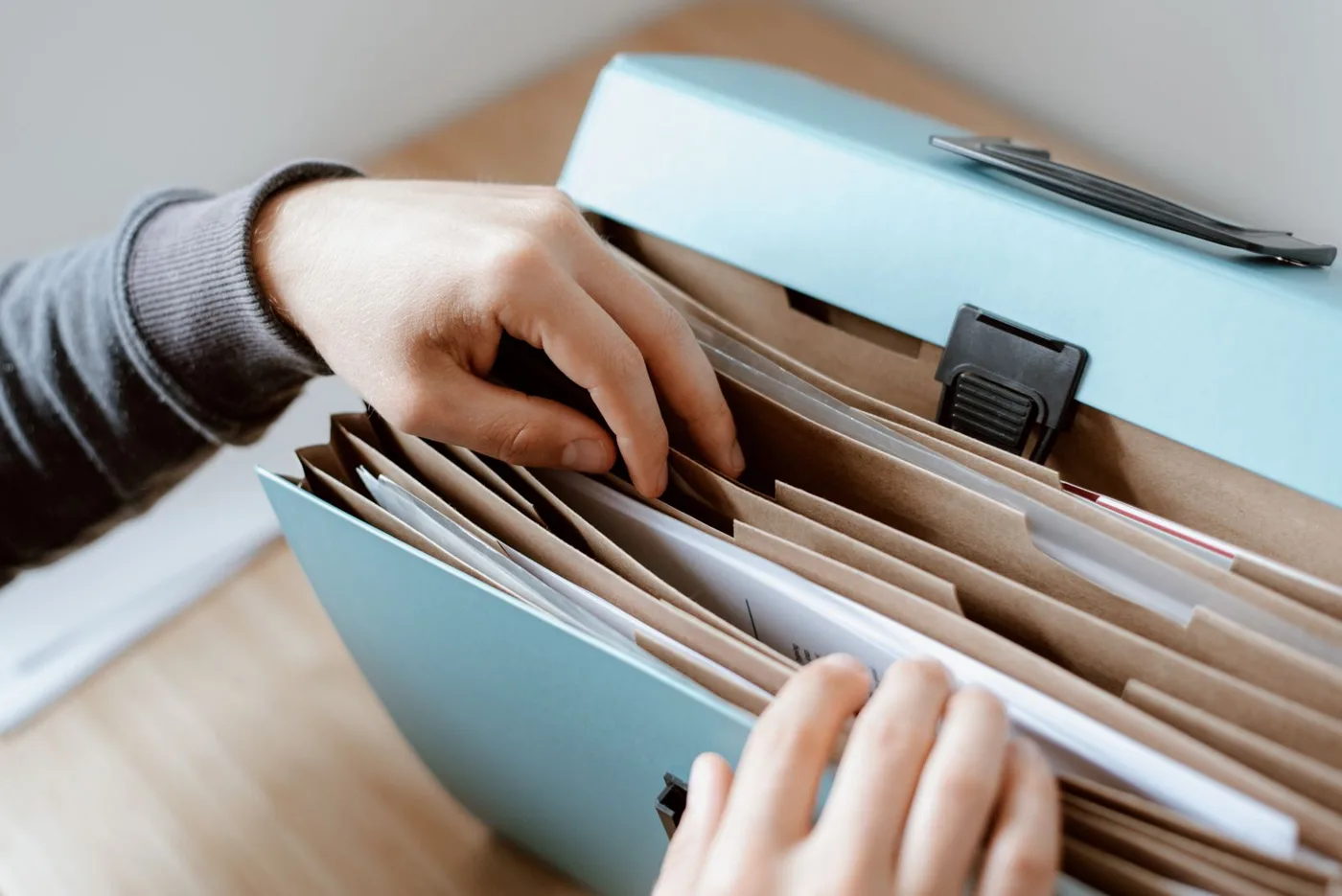
A receipt proves little about maintenance if it cannot be matched to the appliance, and a manual is harder to use when the model suffix is missing. Keep purchase, installation and care documents together by item so a service inquiry starts with facts rather than a search through old email.
Create one packet per item
Use a paper folder, a digital directory or both. Name it with the room, appliance type and model rather than only the purchase year. Include the receipt, order confirmation, delivery or installation record, manual and warranty terms actually supplied.
Photograph the accessible model and serial label and store the image privately. Avoid posting those details publicly when asking a general question. Keep any account credentials or payment information separate from a packet that may be shared with a service provider.
If one receipt covers several items, keep a copy or clear reference in each relevant packet. The aim is to avoid searching the entire household archive because two appliances arrived on the same order.
Preserve readable evidence
Scan or photograph receipts before thermal printing fades. Check that the retailer name, date, item and amount can be read, and save the original where useful. Do not assume an email attachment will remain available after changing accounts.
Download manuals from the official manufacturer when possible and retain the document version. A link alone can stop working or lead to a newer product. Match the manual to the installed model before treating it as the maintenance reference.
Keep warranty terms as information, not as a guarantee that a future repair will be covered. Eligibility, exclusions and claims procedures vary. When a problem arises, ask the seller or manufacturer about the actual terms rather than relying on a remembered headline duration.
Add a brief service history
Attach invoices and record what was diagnosed, repaired or replaced. Include dates and part numbers when available. A note saying 'technician visited' is less useful than a clear description of the work and any advice to monitor.
Keep unresolved issues visible instead of filing them among completed repairs. If a symptom returns, the earlier record can help the provider compare conditions and avoid repeating an already unsuccessful step.
When replacing an appliance, move the old packet to an archive and make the new one clearly current. Do not delete documents that may still be needed for a sale, claim or other obligation, but prevent an obsolete manual from being used for the new equipment.
Review access with other responsible household members. A well-organized folder is of limited use if only one person knows where it is kept. The system should remain simple enough to update immediately after the next delivery or service visit.