A planter's appearance tells you little about how water will leave it. Before buying, turn it over, inspect its drainage design and think about where the runoff will go. A beautiful container without a workable drainage arrangement can create more maintenance than a simpler pot that suits the plant and the location.
Separate a growing pot from a decorative cover
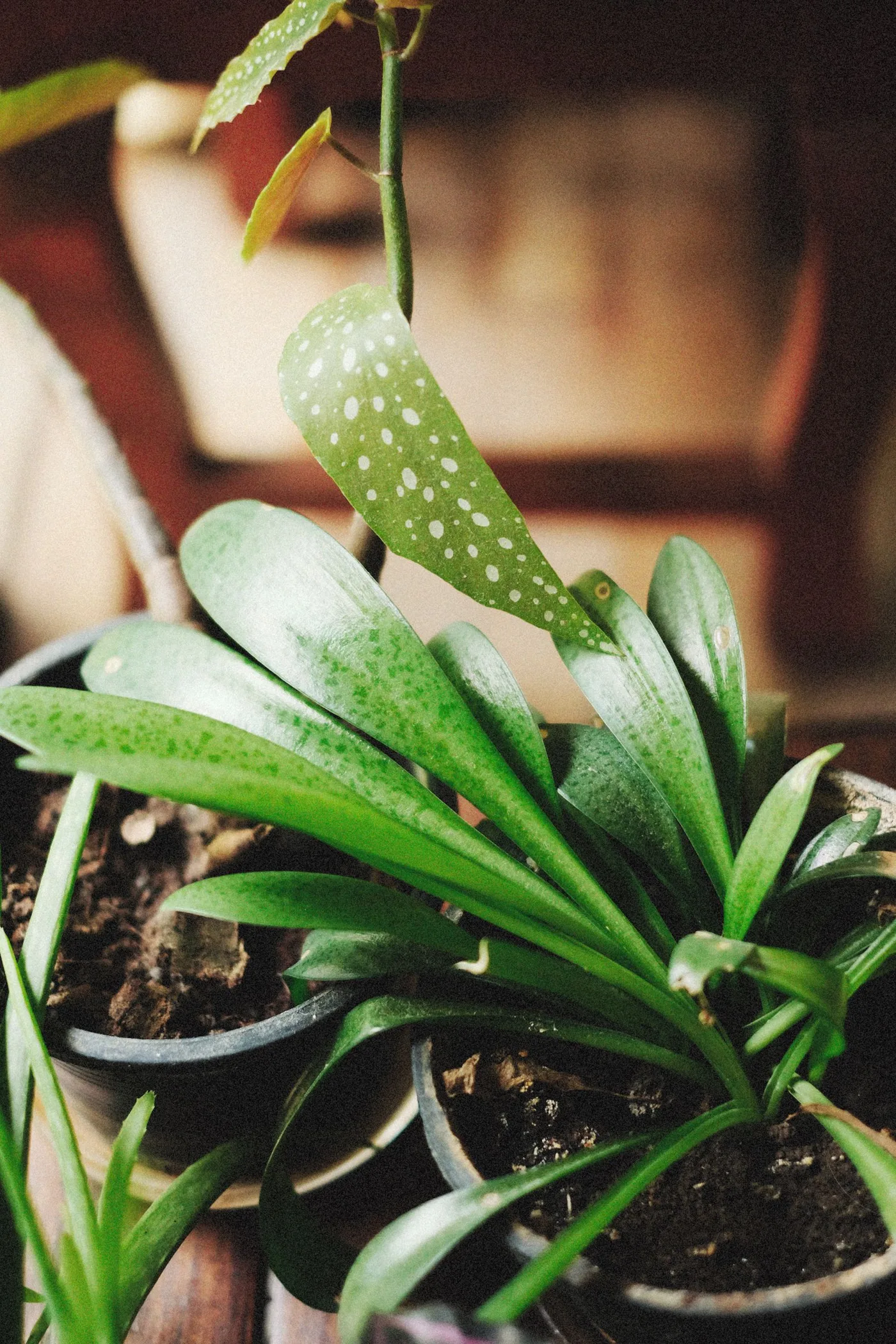
A conventional growing container normally needs suitable drainage holes. A decorative outer pot may have none because it is intended to hold another pot inside. If you use that arrangement, the inner pot must be removable or otherwise accessible so collected water can be checked and emptied. Do not let the outer pot become an unnoticed permanent bath.
Self-watering containers are a different system, with a designed reservoir and overflow. Follow their instructions for filling, medium and plant suitability. A closed-bottom decorative pot does not become a self-watering planter simply because some water remains at the bottom. The route between water, air and roots needs to be intentional.
Match the container to the mature plant
Consider root space, expected growth and stability, not only the size of the plant at purchase. A very small pot can dry quickly and require frequent attention; an oversized container creates different management demands. Use plant-specific guidance to choose a reasonable volume. Tall plants also need a stable arrangement that does not become hazardous in wind.
Material matters to handling and exposure. A large container filled with wet medium can be far heavier than its empty display sample. On a balcony, verify permitted loads and placement with the building manager rather than calculating from a generic internet limit. Choose a pot you can maintain without lifting it over a railing or blocking access.
Give the root medium a clear exit
Use an appropriate container growing medium instead of assuming garden soil will behave the same way in a pot. UConn Extension advises against adding a gravel layer as a drainage fix. Such a layer is not a substitute for suitable drainage holes and uses space that could otherwise hold the root medium.
Keep the openings functional using the container maker's recommended setup. Do not seal holes to protect the patio and then compensate by watering less. Instead, arrange a suitable saucer or runoff collection method that can be checked and emptied. If feet or a stand are used, make sure the entire container remains stable.
Check the location before filling
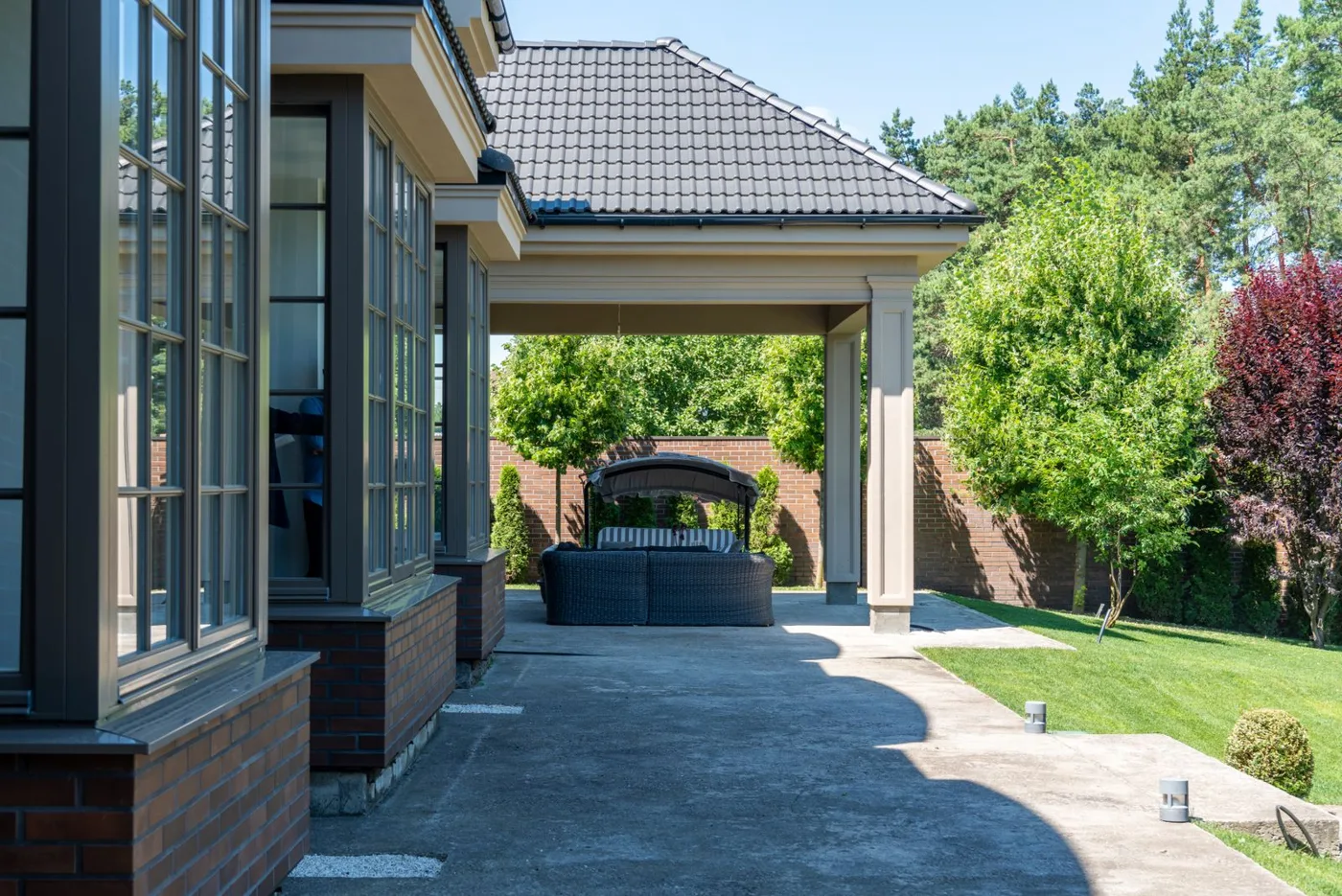
Place the empty pot where it will be used and test walking space, door clearance and access for watering. Consider sun, wind and whether rain reaches it under an overhang. Check the manufacturer's guidance for freeze exposure; some materials need seasonal protection or storage.
Fill and plant only after the drainage and placement are settled. During the first few waterings, observe where water emerges and whether it pools beneath the pot. Adjust the setup while the issue is small. A container that is easy to inspect is more forgiving than one wedged behind furniture where drainage problems stay hidden.