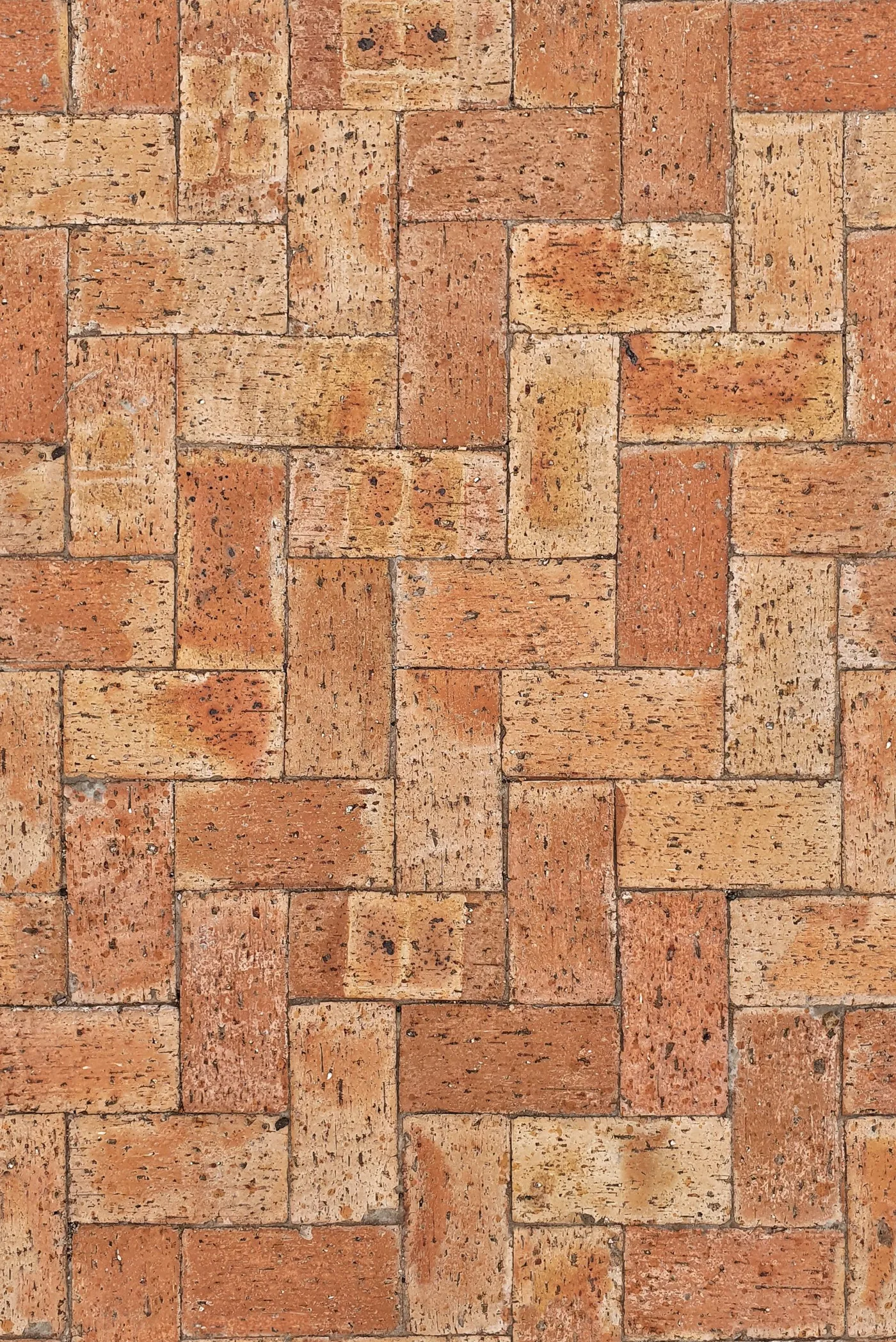
The spaces between pavers are part of the paving system, not simply channels to scrub clean. Their filling may be loose sand, a stabilized jointing product or another material with specific maintenance requirements. Removing debris is useful; removing the joint itself can leave paving more vulnerable to movement and further loss.
Separate loose debris from the joint material
Sweep the surface when it is reasonably dry so leaves and soil lift rather than smear into the gaps. Use a brush appropriate for the paving and jointing product. Work across the surface instead of forcing stiff bristles deeply along every joint. If material comes away easily, pause to determine whether it is dirt or the actual filling.
Look for gaps, unusual settlement and areas where rain has already displaced material. A hollow joint next to a rocking paver may indicate a broader problem. Do not refill it with whatever sand happens to be available without identifying the original system. Some jointing products require specific preparation, weather conditions and compatible materials for a repair.
Weeds also need a considered approach. Pulling a small seedling may be straightforward, while a woody root can disturb the joint or paving. Avoid using salt, improvised chemical mixtures or boiling water as a universal solution. Nearby plants, runoff and the paving material all affect what is appropriate. For established growth or uncertain products, seek the installer's advice.
Keep routine cleaning from becoming joint replacement
A hose or pressure washer can move more filling than you expect. Check the paving and joint manufacturer's maintenance instructions before rinsing or washing. Do not aim a concentrated stream along the joints to make them look uniformly empty. That appearance may be evidence of damage rather than a thorough clean.
After sweeping, inspect the edges and the areas beneath furniture or planters, where debris often stays damp. Move objects carefully without dragging them across the pavers. Keep fallen soil from pots off the surface so it does not repeatedly collect in the joints. Small, frequent cleanup is easier to control than an annual attempt to blast out a season's buildup.
If replacement filling is needed, identify why the original material disappeared and whether the pavers remain properly supported. An installer can distinguish routine joint maintenance from drainage or settlement work. Keep a record of the product used and its care instructions. That gives future cleaning a clear limit instead of relying on how hard the surface happens to feel.