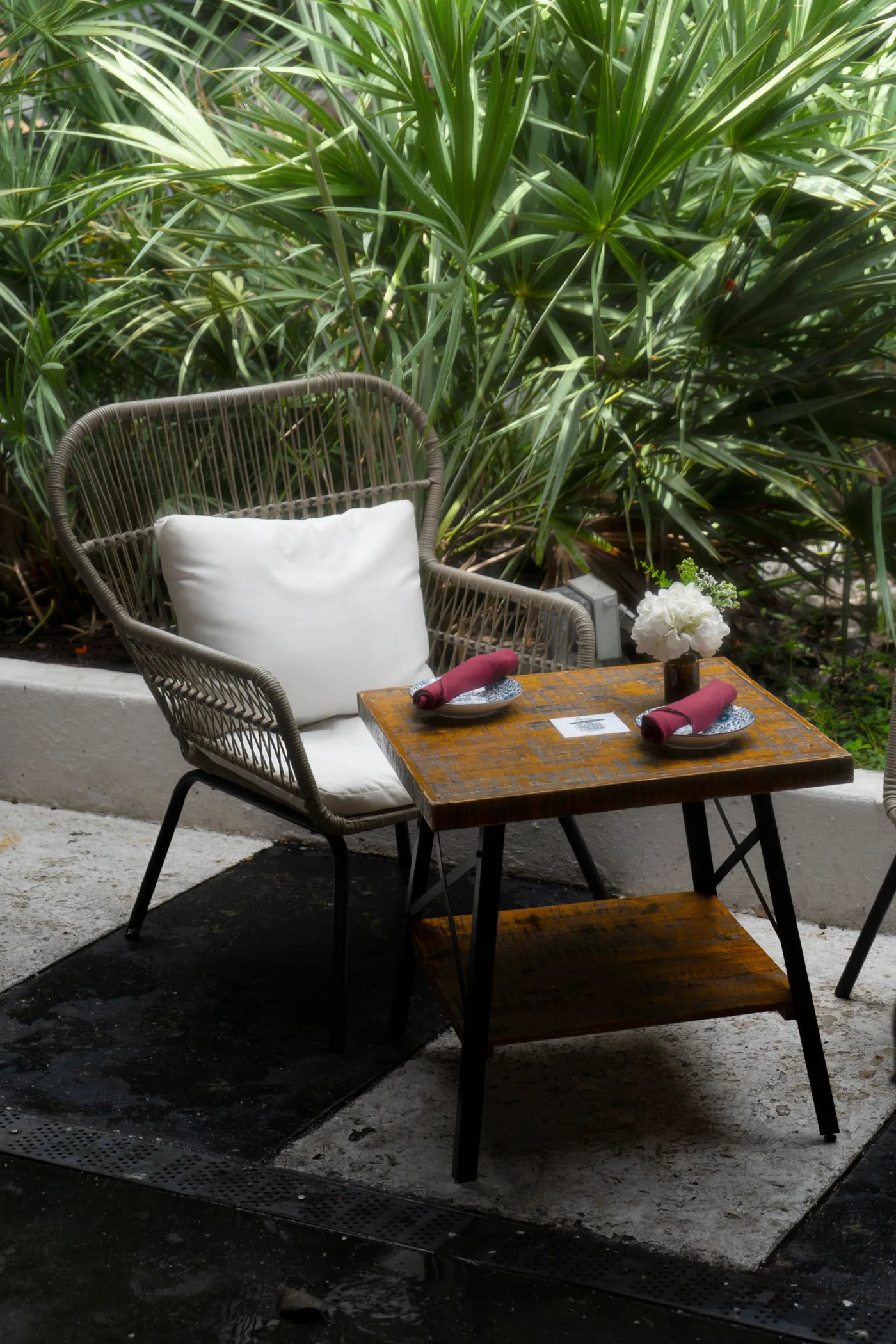
The first warm weekend often reveals what winter storage concealed: a loose chair joint, a damp cushion or a table foot that no longer sits evenly. Bring outdoor furniture back into use in stages. Inspection, compatible cleaning and a sensible layout are more important than making every surface look new before lunch.
Uncover and inspect before sitting down
Remove covers carefully so pooled water and debris do not fall into cushions or across the walking area. Let trapped moisture escape and examine the furniture on a stable surface. Check feet, joints, folding mechanisms and fasteners without loading a piece that appears damaged. Keep questionable items out of use until the maker or a repairer has assessed them.
Compare with the product instructions and look for missing parts. A folding chair may need a particular locking catch, and a table may rely on specific braces. Do not replace an unfamiliar fitting with a convenient screw and assume the assembly is restored. Find the model information before ordering replacement hardware.
Clean by material, not by matching set
A single outdoor set can combine coated metal, wood, woven material, glass and fabric. Each part may need a different method. Remove loose dirt, then use approved cleaners and tools. Test inconspicuously and let the test dry. Avoid applying a broad household spray to every surface simply because it is labeled multipurpose.
Cushions need separate attention to their fabric and filling instructions. A removable cover is not automatically machine-washable. Allow washed pieces to dry completely before reassembly or covering. Persistent odor, damaged seams or deteriorating inserts may require repair or replacement rather than another round of fragrance or cleaner.
Check the working layout
Place furniture where it is stable and does not block steps, gates or drainage. Open folding pieces fully and verify their intended locks. Keep chairs away from edges where a leg could slip off the paving. If the surface is uneven, adjust the location or use the manufacturer's approved leveling arrangement rather than improvising a stack of loose shims.
Leave room to pull chairs out and walk behind them. Consider the path between the door and the garden when people are carrying food. A layout that fills the patio in a photograph may be uncomfortable in use. On a balcony or deck, remain within the building's confirmed load and placement limits.
Keep the care information with the furniture
Save product names, cleaning instructions and details of any repair. Set aside correctly sized covers and plan where dry cushions will go if rain returns. If several household members use the area, make clear which piece is awaiting repair and should not be brought back into circulation.
After the first day of ordinary use, look again for looseness, rocking or water collecting under feet. Seasonal preparation is an opportunity to notice these issues early, not a guarantee that the furniture will need no further attention until next year.