A balcony can look like a small patio while having very different limits. Furniture, people, wet planters and stored items all add load, and railings are not general-purpose supports. Before choosing an outdoor arrangement, confirm the building's rules and the balcony's permitted use with the owner or manager.
Get the limits from the building
Ask about load restrictions, permitted planters, attachment rules and any inspection concerns. Do not use a generic pounds-per-square-foot figure from the internet to approve your own balcony. Its construction, condition and the distribution of loads matter. A large pot may concentrate weight even when the total arrangement looks modest.
Report cracks, unusual movement, loose railings, corrosion or water leaking through the balcony. Keep clear of unsafe areas and follow building management's instructions. Do not test a railing by leaning hard against it or use it to support heavy storage. A cosmetic floor covering should not hide a condition that needs inspection.
Prepare an inventory for the manager if the arrangement includes substantial planters or storage. List the proposed items, their filled weights when known and their intended positions. Ask which figures or professional assessment the building requires instead of trying to certify the load yourself. Keep the response with the plan. If a different, heavier planter is purchased later, revisit that approval rather than assuming the original conversation covered every possible replacement.
Plan with wet weight and wind in mind
Consider the weight of containers when filled with wet growing medium, not just their empty shipping weight. Water reservoirs and stored bags of soil also count. Choose the number and location of containers only after the permitted arrangement is understood. Avoid grouping all the heaviest items in one corner as an aesthetic choice.
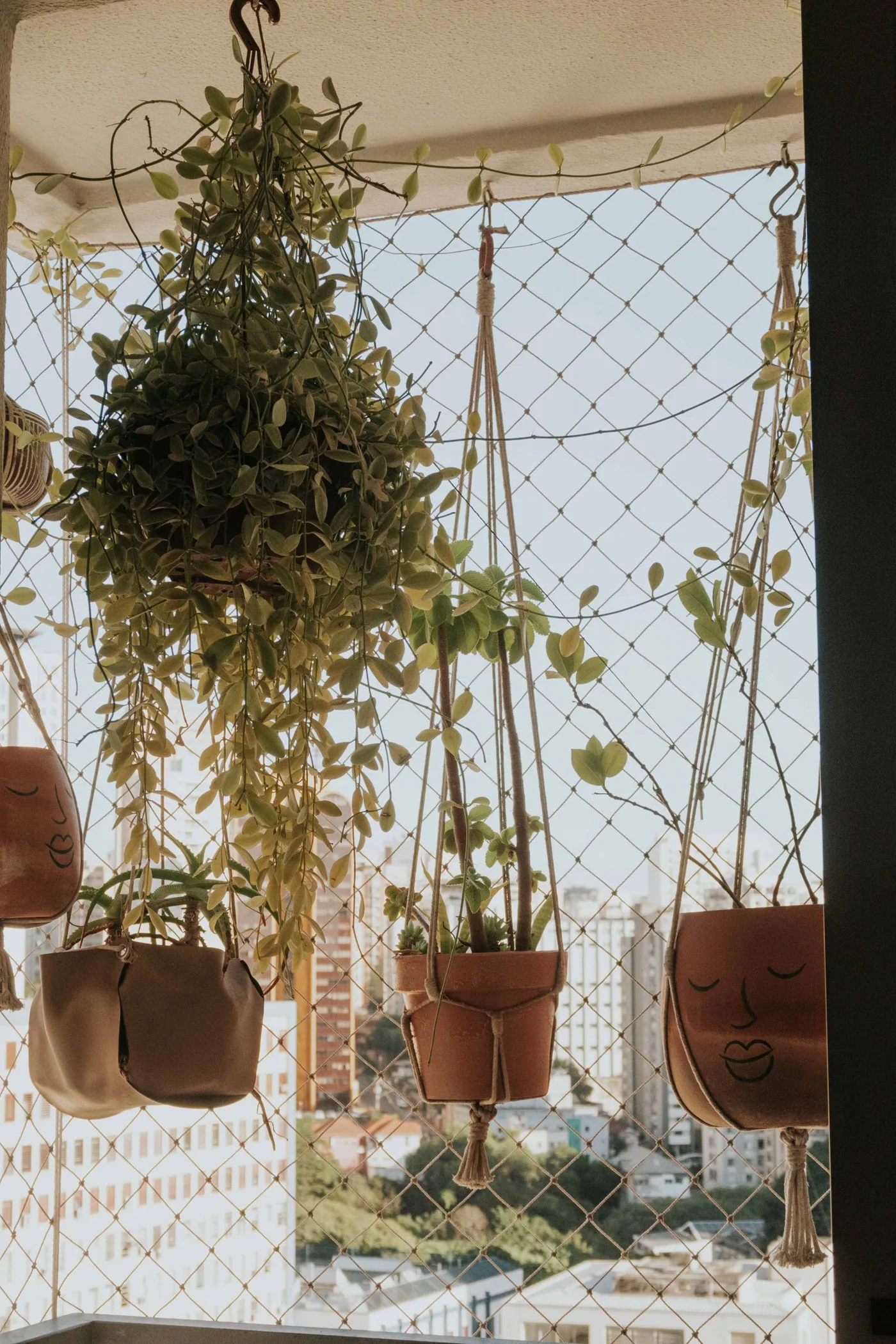
Wind can move cushions, lightweight furniture and plant supports. Use products and securing methods approved for the balcony, without drilling into the structure or tying heavy objects to a railing without permission. Do not place pots on an outer ledge or hang items over a public area. A fallen object can harm someone far below.
Keep a clear route and drainage path
Leave access to the balcony door and any required emergency route. Check the full door swing and the space needed to pass a chair in use. Keep children from climbing onto furniture near a railing, and do not arrange tall planters as a convenient step.
Locate drains and keep accessible debris from blocking them. Do not lift fixed covers or alter drainage without authorization. Use plant watering arrangements that prevent runoff onto neighbors while still allowing the plants' proper drainage. A decorative mat should not trap water where the building requires the surface to dry.
Choose a modest, maintainable setup
Start with fewer objects and use the space for a while before adding more. A small table, suitable seating and a limited number of plants may serve daily use better than a densely furnished display. Check outdoor product suitability and any restrictions on heaters, grills or electrical equipment; a balcony is not automatically an approved place for them.
Inspect the arrangement after strong wind and heavy rain. Store loose items as the building rules require and keep records of any approved attachments. If your intended use exceeds the building's guidance, change the plan rather than looking for a calculation that makes it seem acceptable.