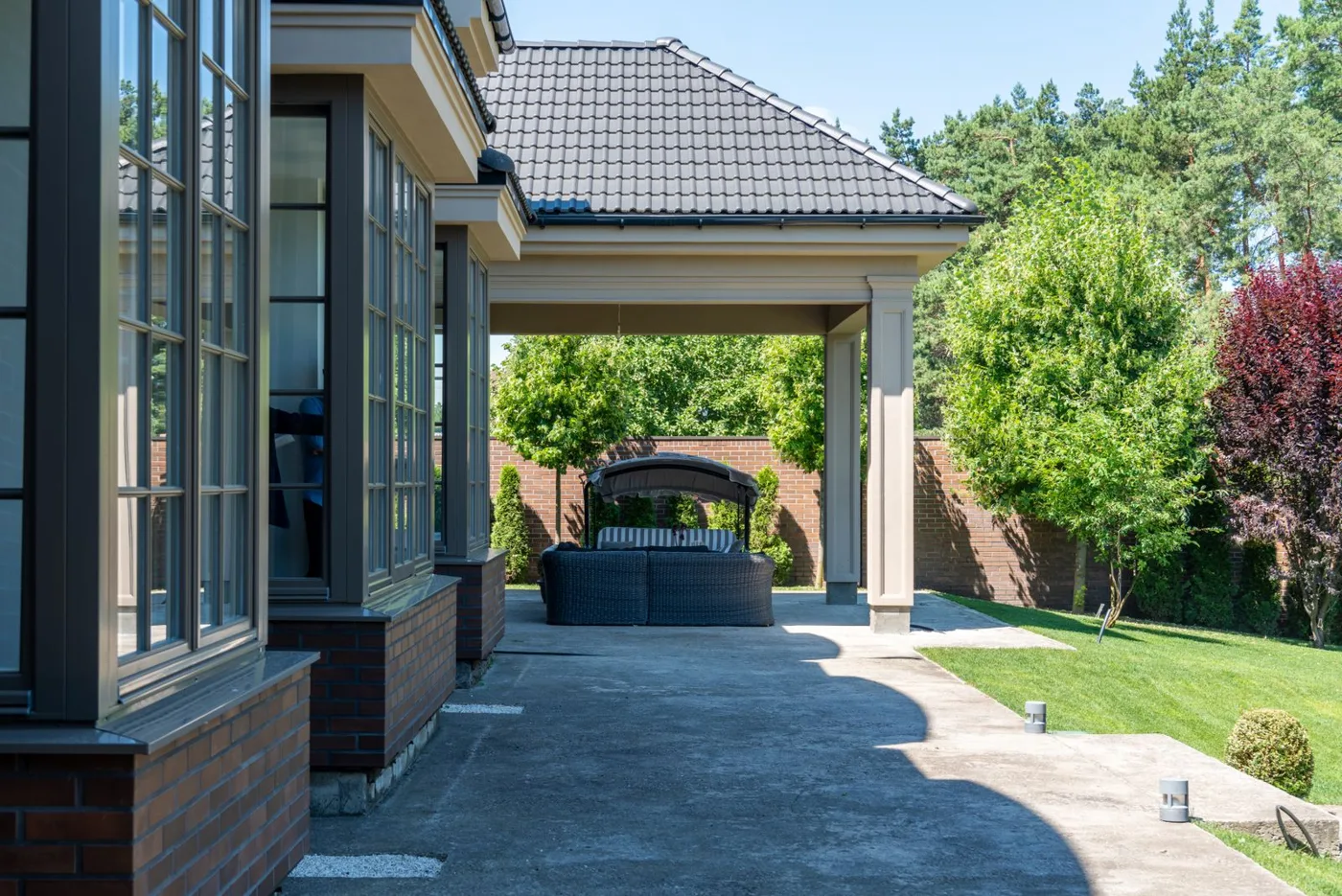
Leaf collection works best when you decide which areas need clearing and which can keep an appropriate leaf layer. A safe path, an actively growing lawn and a planted bed have different requirements. Treating the whole yard as one surface can mean unnecessary work in one place and a slippery or smothered area in another.
Prioritize routes and drains
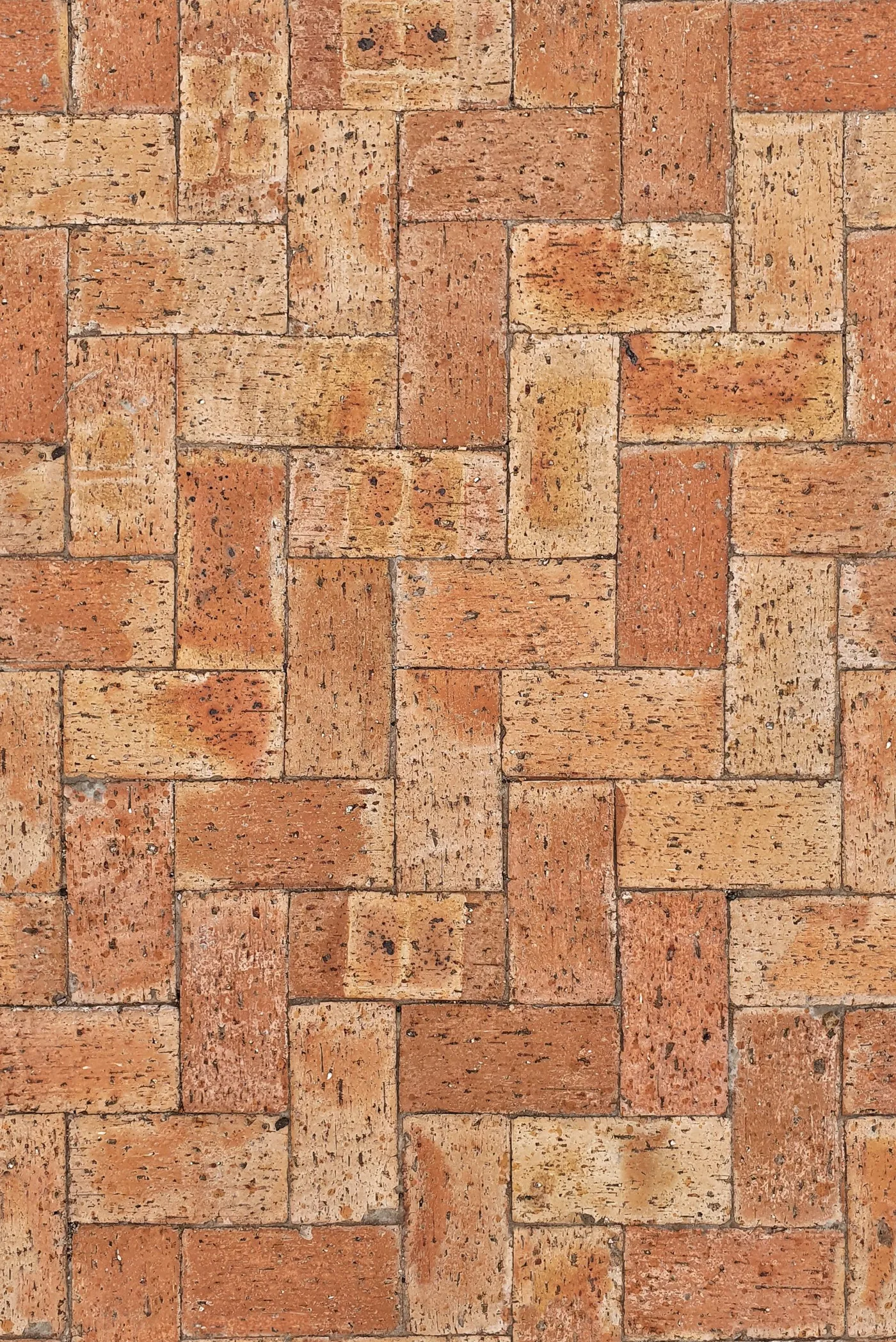
Clear steps, entrances and frequently used paths first, particularly when wet leaves hide the edge of a step. Use a tool suited to the paving and move the leaves away from the route rather than into the next corner. Keep accessible drain grates free of loose leaves without lifting heavy covers or reaching into unknown openings.
Check beneath outdoor furniture and around gates, where leaves can stay wet and interfere with movement. Do not climb onto a roof or ladder as part of a ground-level leaf routine. Gutters and high collection points need a separate safe maintenance arrangement.
Judge the lawn by coverage
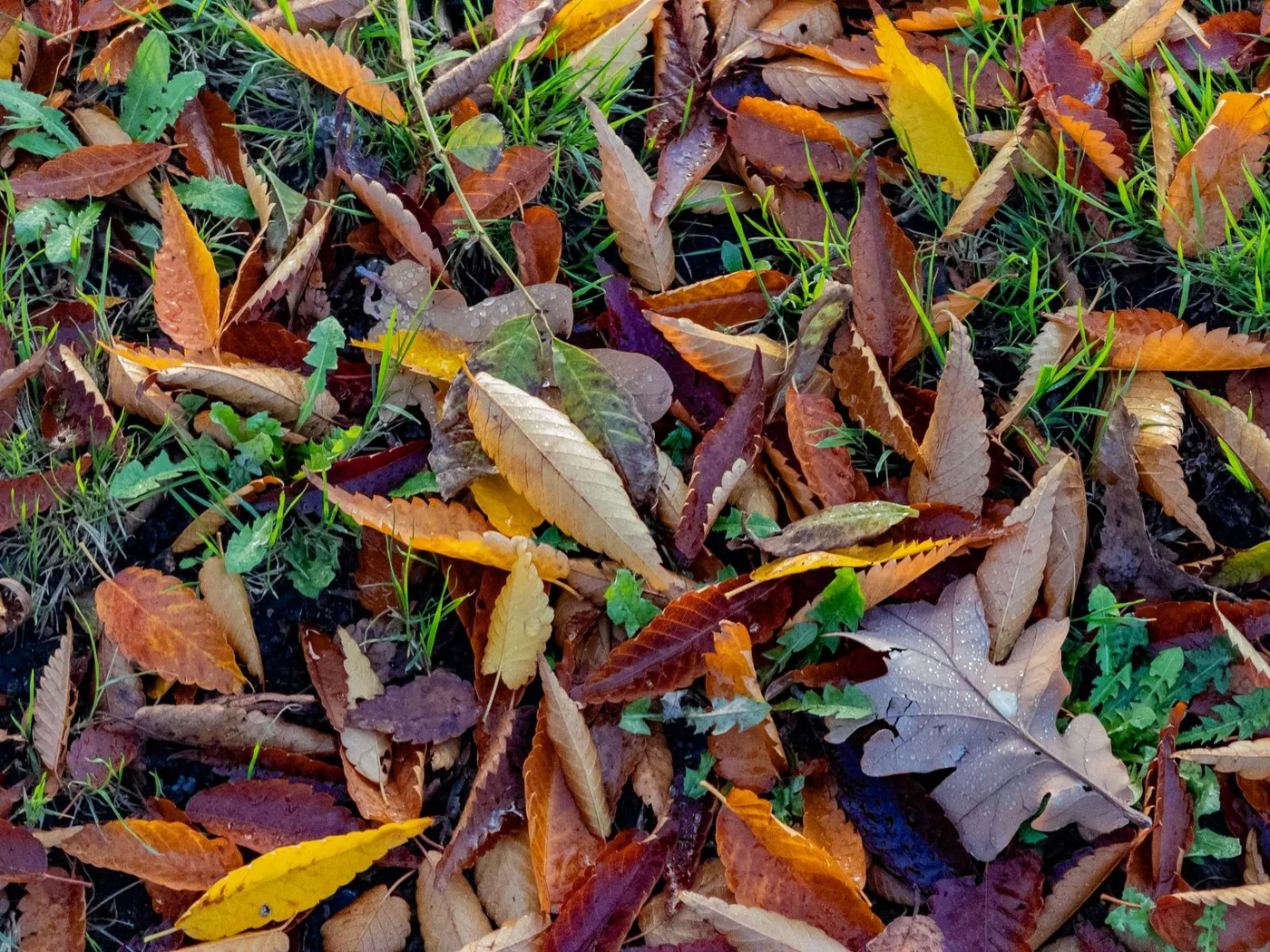
A light scattering and a thick matted layer are not the same condition. Iowa State Extension explains that heavy leaf cover can block light from turf. Depending on the lawn and equipment, thin dry leaves may be mulched into small pieces that settle between grass blades, while heavier accumulations need collection.
Follow the mower's instructions if using it for leaves, including checking for hidden stones, branches and other objects. Do not mow through a wet pile simply because it is faster than raking. If collection is the better choice, work in small areas and avoid packing bags so heavily that they are difficult to lift or move.
Choose a destination before making piles
Suitable leaves may be used in a managed compost or leaf-mold arrangement, or collected through a local yard-waste program. Check the program's rules for bags and contamination. Keep plastic, litter and treated debris out of the leaf material, and obtain plant-specific advice for leaves associated with a disease problem.
In planted beds, leaf cover should suit the plants and not bury crowns or form an excessive mat. Leave habitat areas where appropriate, but keep that choice distinct from allowing leaves to accumulate against doors or equipment. The amount and placement matter more than a universal instruction to remove everything or leave everything.
Work with the next fall
A short pass after each substantial leaf drop is often easier than moving one heavy soaked layer at the end of the season. Choose a comfortable tool and change position regularly. Store rakes with their tines safely oriented, then recheck the paths after wind. The routine is finished when the needed areas are usable, not when every last leaf has disappeared.